Showing posts with label Real Estate Brokers. Show all posts

Tuesday, October 22, 2024

Common Real Estate Agent Scams

Below is a list of common scams or unethical tactics that some real estate agents might use to make more money when selling a house:

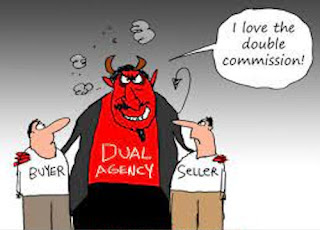
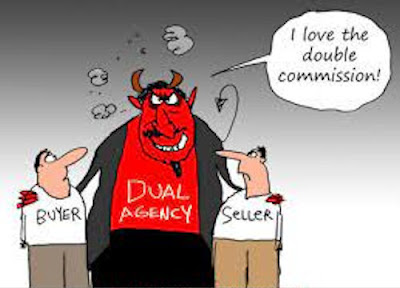
  1. Dual Agency Conflicts: Acting as both the buyer’s and seller’s agent without disclosing the conflict of interest. This can lead to both parties getting less favorable deals, as the agent is prioritizing their own commission.

  2. Inflating the Asking Price: Overpricing a property to attract a higher commission, even though the market won’t support the price, leading to a longer time on the market or eventual price drops.

  3. Lowballing Offers for Personal Gain: Agents may convince sellers to accept a lower offer by claiming it's the best they’ll get, then flipping the property or reselling it at a higher price later.

  4. Bait and Switch Listings: Advertising a desirable home that’s already sold or unavailable to attract buyers, then steering them to other, less desirable (and often higher-commission) properties.

  5. Undisclosed Repair Issues: Hiding significant property issues (like structural damage or faulty systems) that would lower the price or scare off buyers to secure a quicker sale and commission.

  6. Pushing Unnecessary Repairs or Renovations: Suggesting unnecessary expensive updates, claiming they’ll increase the home’s value, while they actually just increase the agent’s commission on the sale price.

  7. Fake or Shill Bidding: Creating false interest in a property by having fake buyers (or themselves) place bids to drive up the price in competitive bidding situations.

  8. Pressuring Quick Sales: Urging sellers to accept lower offers by creating a false sense of urgency, claiming the market is slowing or that no other offers will come in.

  9. Kickbacks from Service Providers: Referring clients to specific inspectors, contractors, or mortgage brokers who offer kickbacks to the agent for steering clients their way, often without disclosing this arrangement.

  10. Misleading Marketing: Using deceptive language or photos that misrepresent the property, making it seem more valuable or attractive than it really is to get higher offers.

  11. Hidden Fees: Adding hidden or unnecessary fees (such as marketing fees, transaction fees, or “administrative costs”) to the final bill, which are not clearly explained to the client upfront.

  12. Fake Appraisals: Colluding with appraisers to inflate a property’s appraised value to justify a higher selling price, even if the home isn’t worth that amount.

  13. Manipulating Offer Timelines: Delaying submission of offers from buyers to create a bidding war or manipulate the timing to favor certain buyers (such as those offering a higher commission split).

  14. Misrepresentation of Property History: Lying about the home’s past ownership or sale history, including failing to disclose foreclosures, legal issues, or prior sales at significantly lower prices.

  15. Encouraging Illegal Practices: Suggesting ways to hide money, avoid taxes, or falsify paperwork to make a deal look better on paper, which could cause legal problems for the buyer or seller later.

These scams, while unethical and sometimes illegal, do occur in the real estate industry, so it’s important for buyers and sellers to stay informed and vigilant.

Saturday, April 15, 2023

Best Practices for Real Estate Brokers

Here's a list of best practices for real estate brokers:
  1. Maintain Ethical Standards: Adhere to a strong code of ethics and conduct your business with integrity and honesty. Always prioritize the best interests of your clients and treat all parties fairly and professionally.

  2. Communication and Responsiveness: Establish clear lines of communication with clients and promptly respond to their inquiries and concerns. Keep them informed throughout the transaction process and be accessible via various communication channels.

  3. Knowledge and Expertise: Stay updated with industry trends, local market conditions, and legal regulations. Continuously enhance your knowledge and expertise in real estate matters to provide valuable guidance and advice to your clients.

  4. Client-Centered Approach: Focus on understanding your clients' needs, preferences, and goals. Tailor your services and strategies accordingly to provide personalized and client-centered solutions. Maintain a client-first mindset throughout the transaction.

  5. Effective Negotiation: Develop strong negotiation skills to advocate for your clients' interests and achieve favorable outcomes. Strive for win-win solutions while being assertive and professional in your negotiations.

  6. Marketing and Promotion: Utilize effective marketing strategies to promote your clients' properties and attract potential buyers. Leverage various marketing channels, both online and offline, to maximize exposure and reach the target audience.

  7. Attention to Detail: Pay meticulous attention to all transaction details, documentation, and legal requirements. Ensure accuracy and thoroughness in contracts, disclosures, and paperwork to avoid errors or omissions that could lead to legal or financial complications.

  8. Collaboration and Networking: Foster positive relationships with other real estate professionals, including agents, brokers, lenders, and lawyers. Collaborate and network within the industry to expand your professional connections and enhance your clients' opportunities.

  9. Professional Development: Invest in your professional development through continued education, training programs, and certifications. Stay updated with industry best practices, technology advancements, and legal changes that impact the real estate landscape.

  10. Exceptional Customer Service: Provide exceptional customer service throughout the entire client experience. Strive to exceed expectations, build long-term relationships, and earn referrals and positive reviews through your commitment to delivering outstanding service.

  11. Confidentiality and Privacy: Respect client confidentiality and handle sensitive information with care. Safeguard personal and financial details shared by clients during the course of the transaction.

  12. Technology Integration: Embrace technology tools and platforms to streamline processes, enhance efficiency, and improve client experience. Utilize property management software, CRM systems, digital marketing platforms, and other relevant technologies to stay competitive and provide added value to your clients.

By following these best practices, real estate brokers can build a strong reputation, establish trust with clients, and achieve success in their profession.

Monday, April 10, 2023

8 Shady Things that Real Estate Brokers sometimes do that aren't Technically Illegal

While it's important to note that the majority of real estate brokers operate ethically and professionally, there are some practices that may be considered questionable or shady, even if they are not technically illegal. Here are some examples:

  1. Steering: Real estate brokers may try to steer buyers or renters towards specific properties based on their own interests or incentives, rather than the best fit for the client. This could involve withholding information about other available properties or manipulating the presentation of options.

  2. Overpromising and Underdelivering: Some brokers may make exaggerated claims or promises regarding a property's potential or value in order to attract buyers or secure listings. However, they may fail to deliver on these promises, leading to disappointment or financial loss for the clients.

  3. Pocket listings: Brokers might engage in pocket listings, where they keep exclusive knowledge of certain properties off the Multiple Listing Service (MLS), limiting the exposure of those properties to potential buyers. This practice can create a sense of exclusivity but may not necessarily serve the best interests of the clients.

  4. Dual agency conflicts: While dual agency (representing both the buyer and the seller in a transaction) is legal in some jurisdictions with proper disclosure, it can create conflicts of interest. Brokers may prioritize their own commission or interests over those of their clients, potentially compromising the level of advocacy and representation provided.

  5. High-pressure tactics: Some brokers may employ high-pressure sales tactics to rush buyers into making a decision or accepting a deal without ample time for due diligence or thoughtful consideration. This can put clients under unnecessary stress and may not allow them to make informed choices.

  6. Misleading marketing practices: Brokers may engage in misleading marketing practices to make a property appear more appealing than it actually is. This could involve using deceptive or overly flattering language, using professional staging to hide flaws, or digitally altering photographs to make the property appear more attractive.

  7. Favoring preferred service providers: Brokers may recommend certain service providers, such as lenders, inspectors, or contractors, based on personal relationships or financial incentives, rather than the quality of their services. This can limit clients' options and potentially lead to subpar services.

  8. Lack of transparency in fees and commissions: Some brokers may not be upfront about their fees, commissions, or potential conflicts of interest. They may fail to fully disclose the financial arrangements involved in a transaction, leaving clients with surprises or undisclosed costs.

Remember that these practices are not representative of all real estate brokers, and many professionals operate with integrity and prioritize their clients' best interests. If you encounter any concerns or questionable practices, it's important to communicate openly with your broker or consider seeking assistance from a different professional.

Saturday, April 01, 2023

9 Illegal Things that Real Estate Brokers sometimes do

While real estate brokers are generally expected to adhere to ethical and legal standards, it is important to note that the specific laws and regulations can vary across jurisdictions. Here are some examples of illegal activities that real estate brokers sometimes engage in:

  1. Misrepresentation: Real estate brokers may be prohibited from misrepresenting property information or providing false details about a property's condition, features, or value. This includes providing inaccurate square footage, concealing property defects, or misrepresenting the property's zoning status.

  2. Dual agency without disclosure: In some jurisdictions, real estate brokers must disclose their dual agency status if they represent both the buyer and the seller in a transaction. Failing to disclose this conflict of interest can be illegal.

  3. Discrimination: Brokers are generally prohibited from engaging in discriminatory practices based on protected characteristics such as race, color, religion, national origin, sex, disability, or familial status. This includes steering buyers or renters to or away from certain neighborhoods based on these characteristics.

  4. Kickbacks and undisclosed incentives: It is often illegal for brokers to receive undisclosed kickbacks, referral fees, or incentives from service providers such as lenders, inspectors, or contractors without disclosing them to clients. Brokers should act in their clients' best interests, rather than for personal gain.

  5. Breach of fiduciary duty: Real estate brokers have a fiduciary duty to act in the best interests of their clients. Breaching this duty, such as by engaging in self-dealing or failing to disclose conflicts of interest, can be illegal.

  6. Fraudulent practices: Real estate brokers should not engage in fraudulent activities, such as forging signatures, providing false documentation, or misrepresenting financial information. This includes fraudulent flipping schemes, mortgage fraud, or misrepresentation of property values.

  7. Unauthorized practice of law: Real estate brokers should not provide legal advice or engage in activities that require a license to practice law unless they are licensed attorneys. This includes drafting legal contracts or offering legal interpretations.

  8. Failure to disclose material information: Brokers may be required to disclose material information about a property to potential buyers, such as known defects, environmental hazards, or any other information that may significantly impact the property's value or desirability.

  9. Violation of privacy laws: Brokers should handle personal and confidential information of clients in accordance with applicable privacy laws. Sharing or using client information without proper authorization can be illegal.

It's important to remember that real estate laws and regulations can vary, so it is advisable to consult the specific laws and regulations in your jurisdiction or seek legal advice for accurate and up-to-date information.

Wednesday, March 15, 2023

Illegal and Unethical Real Estate Broker Practices

While double dipping in real estate transactions is generally considered unethical and may be illegal in many jurisdictions, there are also historical incidents involving real estate brokers that demonstrate unethical or fraudulent practices:

  1. Equity Skimming: In the 1980s, during the savings and loan crisis in the United States, some real estate brokers engaged in equity skimming schemes. They would convince financially distressed homeowners to sign over their properties, promising to handle the mortgage payments. Instead, the brokers would collect the rental income without paying the mortgages, leading to foreclosure and financial ruin for the homeowners.

  2. Straw Buyers: In various instances, real estate brokers have conspired with straw buyers to inflate property values and secure fraudulent loans. Straw buyers are individuals who pretend to be legitimate buyers but are actually working in collusion with the broker to defraud lenders. By falsely inflating property values and arranging for loans based on those inflated values, brokers and straw buyers can profit illicitly.

  3. Property Flipping Fraud: Some real estate brokers have been involved in property flipping fraud schemes. In such cases, properties are bought at artificially low prices, and then the brokers orchestrate a series of transactions, rapidly increasing the property values through false appraisals or misrepresentation. Ultimately, unsuspecting buyers are left with overvalued properties and substantial financial losses.

  4. Kickbacks and Undisclosed Commissions: Although not directly related to double dipping, there have been instances where real estate brokers have received kickbacks or undisclosed commissions from third parties involved in a transaction. These secret payments can compromise the broker's duty to act in their client's best interest and potentially lead to unfair deals.

Not all real estate brokers engage in fraudulent or unethical practices, but the fact that some do shows the need for regulations and laws to prevent these things from happening. Real estate regulations and professional organizations continuously work to combat such practices and maintain the integrity of the industry, but when that fails there really should be legal mechanisms in place to ensure the integrity.

Friday, March 10, 2023

Why is Double Dipping often illegal?


See Also: Double Dipping should be Illegal in Ontario

Double Dipping refers to a practice where a real estate broker or agent collects a commission or fee from both the buyer and the seller in a real estate transaction. This means that the broker represents both parties in the transaction and receives compensation from both sides. However, double dipping is considered unethical and may be illegal in many jurisdictions due to several reasons:

  1. Conflict of Interest: Double dipping creates a significant conflict of interest for the broker. By representing both the buyer and the seller, the broker's loyalty and fiduciary duty to either party may be compromised. They may prioritize their own financial interests over the best interests of their clients, leading to potential unfairness or biased advice during the transaction.

  2. Duty of Loyalty: Real estate brokers have a duty of loyalty to their clients, which means they are obligated to act in their clients' best interests. When a broker double dips, it becomes challenging to fulfill this duty since their financial interest is tied to both parties. This can erode trust and may lead to a breach of the broker's fiduciary duty.

  3. Transparency and Fairness: Double dipping can undermine transparency and fairness in real estate transactions. When a broker receives compensation from both the buyer and the seller, it may not be clear to the parties involved how their interests are being represented. This lack of transparency can create doubts and suspicions regarding the broker's motivations and may hinder fair negotiations.

  4. Consumer Protection: In many jurisdictions, real estate regulations and laws aim to protect consumers and ensure fair practices in the industry. Prohibiting double dipping helps safeguard the interests of buyers and sellers by promoting fair and unbiased representation. It ensures that brokers act in a manner that is transparent, accountable, and solely focused on serving their clients' best interests.

  5. Professional Standards: Real estate associations and professional organizations often have codes of conduct or ethical guidelines that prohibit double dipping. These standards are in place to maintain the integrity of the profession and uphold ethical practices. Brokers who engage in double dipping may face disciplinary actions, including license revocation or suspension.

While the specific regulations and laws regarding double dipping may vary between jurisdictions, the underlying principles remain consistent: to ensure fair and transparent representation for both buyers and sellers, protect consumers, and maintain the integrity of the real estate industry.

Tuesday, December 14, 2021

Double Dipping should be Illegal and Broker Fees Capped at 5%

For those that don't know, Double Dipping refers to a real estate broker practice where they end up representing both the home owner selling a property, and the home buyer who is seeking to purchase the same property. Normally they only get 5% of the sale value, but double dipping on the commission gives them 10%.

It really should be illegal.

And it is super unethical.

Why?

#1. Because it ends up favouring the home owner and unfairly raising the price of the property (and consequently contributing to housing bubbles).

#2. Because the broker ends up wanting a higher price so they can collect 10% of the total value (instead of the usual 5%), they're going to be biased towards hiding anything wrong with the property.

Eg. Hiding whether the property is on a flood plain, has a history of mold problems, and the roof is leaking. The double dipping broker, who wants the house to sell for more, isn't going to want to mention anything that is wrong with the house that the home buyers really should be aware of before making a purchase.

#3. Normally what you are supposed to do is have one broker representing the buyer and one broker representing the seller, and they're meant to be separate and each of them have a fiduciary duty to represent their client's interests, but when the broker represents both they are invariably biased towards the homeowner and will ignore the seller's best interests in order to get a higher sale price.

So in the example cited above, let's say someone owns a house that is on a flood plain (thanks to clay stratification), and the roof is leaking and the house has a history of mold problems... If the real estate broker is unethical and double dipping, they're not going to want to mention these three problems to any potential home buyers.

#4. Real estate brokers who are double dipping actively encourage bidding wars, knowing that if a property goes for a lot more they get 10% of that. This in turn adds to the real estate bubble, and ultimately hurts the buyer.

In Ontario double dipping is currently legal and unregulated.

If any politicians are reading this and they want to get more votes for their political party, listen well.

Make double dipping illegal and cap individual broker fees at 5%.

Then... Make it retroactive for the last 5 years and force real estate brokers who sold any houses using double dipping to issue a refund for 5% of the value of all properties they sold during that time period, giving the money back to the home buyers who got ripped off.

Politically this will lead to lots of votes for the political party who hammers this home. All the home buyers will definitely think about voting for the party that gives them an extra $50,000 or more if the house was worth $1,000,000 or more. And even if the property was $500,000, they're not going to complain about getting an extra $25,000.

That amount of money getting pumped back towards home owners will boost the economy, punish the unethical brokers, and help to soften Ontario's real estate bubble which could burst if too many things happen that hurts the market.

Who will complain?

Only the rotten real estate brokers who were doing something unethical and something that really should have been illegal in the first place. The ethical brokers won't complain. Only unethical ones will complain.

This is really something that should have been made illegal a long time ago.

Having separate brokers for the seller and buyer is a necessity, just like having separate lawyers in a divorce. Without that separation the middle man will always favour the person which is going to end up giving them more money, and that bias will lead to them hiding things.

Moral of the Story:

Buyer Beware. Double Dipping Real Estate Brokers are way worse than used car dealers. They're absolute snakes.

They make politicians look decent in comparison.

Sunday, January 05, 2020

How to Launder Money through Real Estate

Every year in Canada over $40 billion CDN is laundered through real estate transactions. Over $130 billion CDN is laundered in Canada every year, but over $40 billion is being laundered via real estate because it is so easy to launder money via real estate.

And the real estate brokerages are in on it.

So how does it work?

#1. Get lots of dirty money by being a criminal.

#2. Hire a lawyer with no ethics who doesn't ask a lot of questions.

#3. The lawyer sets up a dummy corporation that can be used to buy and sell properties, using cash.

#4. Find an unethical real estate broker or brokerage who won't report suspicious behaviour and doesn't ask questions.

#5. Pay in cash.

#6. Later sell the property and get paid via electronic transfers to your bank account. That money is now "laundered".

It is stupidly easy to do too, and while it is illegal to launder money, the above steps aren't actually illegal (except for #1 obviously) and there is no laws requiring lawyers or real estate brokers to report suspicious behaviour.


So how does this effect YOU???

Well, it means that a percentage of houses in Canada every year are bought up by criminals who can outbid you easily because their primary goal is to launder the money.

It means that real estate prices in cities like Toronto and Vancouver frequently go up by 5% or more annually (purely from criminals driving up prices).

And as noted in the video above, 5% per year is the difference between a $1 million house selling for $1.65 million after 10 years of ballooning prices.

So this is actually a huge problem and it is contributing to Canada's real estate bubble.

And when that bubble bursts it will be home owners who end up getting hurt the most, not the criminals.

Thursday, December 28, 2017

Real estate agents breaking the rules: Hidden camera investigation

 The following video is a hidden camera investigation by CBC to determine how unethical real estate brokers are who double dip and do similar unethical and illegal things.

This is why you should ALWAYS get a separate real estate broker.


Wednesday, September 25, 2013

Finding a good real estate agent

Whether you plan to sell your current home or buy a new home, you need to find a real estate agent you can depend on. Sometimes it is difficult to know where to begin looking, especially if you don't have a good and solid referral from a friend or family member.

Doing the research yourself can be time-consuming, difficult and frustrating since you won't always be able to find all the necessary information to give you a full picture of prospective agents to help you figure out who might best serve your needs. When it comes to finding the ideal realtor for you, Agent Harvest has tools and resources to make quick work of finding a real estate agent who will quickly and efficiently help you buy a new home or sell your current home.

This online referral firm specializes in finding top-rated real estate agents, leasing agents and giving you a general idea of all the things you should know about buying and selling a home. Even if you have experience with either, if you haven't been in the market either way for a while, you probably imagine things have changed. Enlisting the help of a qualified and professional agent with a high referral from a reputed agency will ease your mind since your agent will do all the leg work and heavy lifting in the purchase or sale of your home.

Looking for an agent through this performance-based referral service makes your search simpler and more clear cut since real estate agents have to meet Agent Harvest's high standards in the industry. Each agent must have a proven record of success, a detailed and intimate knowledge of your real estate market area, expertise in marketing and pricing homes appropriately and excellent communication skills. It is critical that your real estate agent returns your phone calls or emails in a timely manner, and you should know their statistics on issue this before making any other arrangements. Real estate agents will be working full-time on your behalf, following leads and generating interest in your property, so they should be committed to your success.

The referral agency will look for the top 10 rated real estate agents in your area from which you can choose. Otherwise, the agent must rank nationally or regionally or have received certification or an award of excellence to make the list of qualified real estate agents.

Tuesday, November 15, 2011

Occupy Toronto is not a home

While we can applaud the moral integrity of Occupy Toronto, the number of homeless hippies and drug addicts attracted to the Occupy camp site (St James Park at King and Church Streets) distracts from their real cause.

The Occupy movement across North America has been focused on protesting against big business... bankers, greedy oil executives... and to a lesser extent anyone who makes money off free-trade coffee (as opposed to fair trade) and encouraging people to get a mortgage via a Toronto mortgage broker working at a credit union instead of a mortgage broker at a bank.

The foundations of the movement is to organize people towards a more fair economy where people still make a profit, but the rich have to work harder to earn it (or if they do earn it, they must earn it fairly on the principles of good business practices instead of monopolization and extortion).

We will admit its about time someone took a reed switch to the backsides of bankers and oil executives, but the hippies banging communal drums, singing and smoking up isn't going to change the production planning or inventory management of oil executives or their bottom line.

No, the only real answer for these hippies is build homes and communities... and obviously not on Church property.

There is land all over Canada which is cheap and arable. They can grow plants for food, fish and hunt if they so desire. A home for hippies. But protesting isn't going to change the mind of the rich or the middle class. Or even the poor for that matter.

The rich will keep on doing what they do best, getting richer. The middle class don't really care so long as they have a TV screen, lots of food in their fridge and gasoline in their cars. And the poor don't have much choice except to scramble for money and food, just trying to get by.

Its really only the philosophical few who choose to decide to go without oil products (plastics included), to buy only locally grown food or to do all their banking via a credit union.

(Note: Not all hippies are philosophers, and not all philosophers are hippies. Sometimes the two coincide, but not necessarily. Some hippies just 'dig the scene' and want to smoke all the time.)

The end result is eventually these philosophers, hippies, etc. will go home... or try to find a home. Or realize they have the potential to build one, given the right tools and the will to build.

They will probably all go home before Christmas, and the winter is no time to live in a tent.

What happens next year if they get nostalgia and come back for round two? We shall see.

Friday, July 08, 2011

Open MLS wider, watchdog says

CANADA - The Canadian Competition Bureau has slapped Canada’s largest real estate board with a lawsuit, saying they must open up their computerized listing service and make the market less competitive.

The federal watchdog served the Toronto Real Estate Board with papers late Thursday. The aggressive move comes on the heels of a proposal by the board last month to allow websites that will allow consumers to browse listings from the privacy of their homes using a password provided by an agent.

That was what the Competition Bureau wanted to see, since it would allow customers to browse at their leisure and do much of the work themselves instead of hiring an agent to do it all. Less work for the agent should effectively lower fees.

However, after studying the proposed new rules, the Competition Bureau said the changes still were not enough and the proposed rules would in fact “continue to thwart the development of new, innovative and efficient models of providing real estate brokers seeking to innovate".

In theory what is really needed is to open the MLS wide up and make it FREE to search the listings, without a password.

But TREB is refusing to go that way, and thus the new amended lawsuit was still being reviewed by executives.

TREB owns and operates the Toronto Multiple Listing Service system through which the vast majority of Toronto real estate deals are made. Its basically a monopoly and because they charge people huge fees to use it the result is an unfair monopoly.

Monday, January 17, 2011

How to buy a house with no money down

By Mark Weisleder

If you have a good job and want to buy a first home, but don’t have a down payment, can it be done? The answer is maybe and depends on how you answer these questions.

How's you credit score?

In order to qualify for a mortgage you must have a good credit rating. Try and reduce or eliminate all outstanding credit card debt first. Cancel credit cards that you are not using.

Do not change jobs just before applying for a mortgage. The lender will want to see that you have a stable employment history. You can go to Equifax.ca to obtain a free copy of your credit score. If any information in your credit file is incorrect, take the time to get it fixed before applying for any mortgage loan.

Do you qualify for an insured mortgage? With an insured mortgage, you are able to finance up to 95 per cent of the purchase price, either through CMHC or a private mortgage insurer. You will need to have at least the remaining 5 per cent down payment, as well as approximately an additional 1.5 per cent to cover the land transfer tax, legal, moving and other closing fees.

You may also want to set some money aside to do some work on your new home before you move in. To obtain the insured mortgage, you will have to demonstrate that you have enough monthly household income to pay your mortgage as well as your household expenses. It is a good idea to try and get pre approval for a mortgage, so you know before looking how much you can afford, based on the down payment that you have.

Is a mortgage with no down payment possible?

Some lenders offer qualified buyers the entire down payment on the day of closing, if the buyer has good credit, stable employment and qualifies for the lender’s closed-mortgage rate over 5 years. This can allow you to buy a home worth up to $400,000 in most cases.

The disadvantages with these mortgages are that if you want to discharge them early, you will have to pay back a pro-rated portion of the money received. And you will probably be paying 3 per cent more interest on a monthly basis than you would if you were using a variable rate mortgage, which is popular today among most home buyers.

This extra interest will amount to more than the imputed value of the down payment over a five year period, yet it will be offset by the fact that you get to close your purchase now, with a down payment that you currently don’t have. Other lenders offer similar “cash back” mortgages, which may cover your 1.5 per cent closing costs or more, on similar terms and conditions.

What about the agent’s commission?

Most buyers use a real estate agent to find the right home and negotiate the best price. They provide advice on how to handle a bidding war, make sure your home is professionally inspected, and arrange the proper insurance. They may introduce you to a mortgage lender. Most buyer agents will try and obtain their commission from the seller. But if the seller refuses to pay them, it is expected that the buyer will pay the agent.

Let’s say the buyer agrees to pay their agent 2.5 per cent commission for their efforts. The agent finds a house and the buyer wishes to pay $400,000, with the understanding that the seller will pay the buyer agent the 2.5 per cent commission, or $10,000, plus HST.

Now let’s say the seller refuses to pay the commission. The buyer will then offer $390,000 to the seller and will pay the agent directly. The difficulty with this example is if you are a buyer with very little down payment, you do not have this extra $10,000 plus HST to pay the agent.

CMHC has indicated that in the above example, they will only finance the commission if it is included in the $400,000 sale price. This to me is wrong and needs to be changed. CMHC should permit a buyer such as the one in this example who pays $390,000 plus $10,000 directly to the buyer agent, to be able to finance this entire amount with an insured mortgage.

Hopefully, this will change, once CMHC sees the impact of all the recent changes to real estate brokerage models as a result of the settlement between the Competition Bureau and the Canadian Real Estate Association.

Until that happens, buyers need to be up-front and honest with their buyer agents. If you know you do not have the money to pay the buyer agent yourself, as in the above example, explain to the agent that every offer you submit must be on the understanding that the seller will be paying the commission directly.

Other stuff. If you are contemplating a home with a basement apartment to help carry your expenses, be careful to make sure that the unit has legal zoning and complies with the local Fire Code. In addition, make sure that you notify your insurance company about this.

Finally, always have a professional home inspection done. You do not want to find, after closing, that the house requires repairs that you can’t afford.

Even if you have a low down payment, by being properly prepared, your dream of home ownership can come true in 2011.

Sunday, August 01, 2010

CREA shuts down 1 cent MLS listings

In May Dawson Pereira launched a brokerage service touting “one cent” listings on the Multiple Listing Service. A former ReMax agent he was charging $600 to list property in the database, but if the home was sold within 10 days he refunded $599.99.

Excited people looking to save on the costs of listing in the MLS database started pouring in and his business was booming.

But on July 23rd the Toronto Real Estate Board and the Canadian Real Estate Association shut him down, saying he was in violation of regulations.

“I didn’t realize I was breaking any rules. I was just offering people an alternative, but they gave me a major hard time,” says Pereira. He was just one of many discount companies because CREA was accused of restricting competition by the federal Competition Bureau.

Except shutting him down implies they're just doing more of the same: Restricting competition. Their regulations appear to have been designed to prevent competition.

One of the regulations he violated was listing clients' contact info on the MLS website, allowing buyers to contact sellers directly without going through an agent... this is a big no-no according to CREA who makes their money off agent fees.

“They basically want everyone to contact an agent first so they can make their commission, but that doesn’t save the consumer anything,” said Pereira, who has been forced to terminate all listings and give refunds to existing customers.

The Competition Bureau this year managed to CREA to change some of its rules, but one of the rules CREA refused to change was regarding the seller's contact info appearing on the MLS websites.

That one regulation is now the subject of a court case between the Competition Commissioner Melanie Aitken and CREA.

“CREA’s rules were amended to clarify that a seller’s contact information can be included in the Realtor only (private) remarks section of a listing,” says CREA lawyer Catherine McKenna. “This means that a Realtor may direct buyers’ agents to contact the seller directly for appointments if the seller instructs the Realtor to this effect in writing.”

That means the seller’s name is still allowed on the MLS, but in a section accessible only to agents. (Which means CREA still gets a commission.)

This doesn't help sellers at all, says Georgetown resident David Fraser. He signed up with Pereira. Fraser says he could have saved $15,000+ in commissions on his home which was listed for $337,000. “The MLS has a lot more reach, but it doesn’t do you any good if no one can contact you directly,” says Fraser.

Pereira is also in trouble with CREA for using their MLS and REALTOR trademarks incorrectly. His websites 1centMLSlisting.com and savetherealtorfees.com contained the words MLS and Realtor, but did not include their logos. Apparently they're also upset because the word "Realtor" appears in lower case in his domain name.

Pereira thinks the so-called changes in the real estate business may be an illusion. I agree, they made a few minor changes to keep the Competition Bureau happy, but they're still restricting the competition.

Its a bit like slowing down 10 kmph while speeding, but you're still doing 110 kmph anyway.

If sellers can save money by avoiding realtor fees and selling privately I say more power to them. There is no law saying they have to go through a realtor. Only CREA regulations require that and those regulations stifle competition in what is essentially a monopoly for Canadian home listings.

Monday, June 28, 2010

Humour - Congratulations on your New Home

A client bought a new home and the broker wanted to send flowers for the occasion.

They arrived at the home and the owner read the card; it said: "Rest in Peace."

The owner was angry and called the florist to complain. After he had told the florist of the obvious mistake and how angry he was, the florist said. "Sir, I'm really sorry for the mistake, but rather than getting angry you should imagine this: somewhere there is a funeral taking place today, and they have flowers with a note saying: Congratulations on your new home."

Humour - Smart Real Estate Broker

A broker was dismayed when a brand new real estate office much like his own opened up next door and erected a huge sign which read 'BEST AGENTS.'

He was horrified when another competitor opened up on his right, and announced its arrival with an even larger sign, reading 'LOWEST COMMISSIONS.'

The broker panicked, until he got an idea. He put the biggest sign of all over his own real estate office. It read: 'MAIN ENTRANCE'

Humour - The Real Estate Broker Frog

Two women were walking through the woods when a frog called out to them and said: “Help me, ladies! I am a real estate broker who, through a curse, has been transformed into a frog. If one of you will kiss me, I’ll be returned to my former state!”

One woman took out her purse, grabbed the frog, and stuffed it inside her handbag. The other woman said: “Didn’t you hear him? If you kiss him, he’ll turn into a real estate broker!”

The second woman replied: “Sure, but these days a talking frog is worth more than a real estate broker!”

My Credit Rating Vs the Mortgage Lender

I have a VERY GOOD credit rating. I always pay all my debts (I might be late by accident, stuff happens sometimes and people get distracted, but that is rare)... and thus my credit rating is incredibly good.

The only problem however is that I am self-employed. I run my own website design company here in Toronto. Its been several years since I was actually employed by someone else.

Thus I am a bit concerned about the fateful day when I apply for a mortgage. Will my application be accepted? Will they try to gouge me with a higher interest rate just because I run my own company.

I also worry about my age. I admit I look young for my age, but that is mostly because I am rather fit, cycle daily, weightlift five times a week and recently took up archery. In the winter I also ice skate. The point is that despite the fact I am now (egad) in my 30s I sometimes still get asked for ID when I order alcohol in a restaurant.

So I can just imagine visiting a bank, shaking hands with the loan manager and then being politely turned down for a mortgage because they think I am a 20-something who is self-employed.

I would like to think my long credit history and excellent credit rating would help convince them I am not only older, but financially capable of handling a mortgage.

Someday I should speak to a mortgage broker and just find out how flexible they are when it comes to self-employed people. (I am guessing they will require a co-signer.)

Friday, June 25, 2010

Finding a Broker I can deal with

I think finding a broker is all about personality.

I don't want to be RUSHED into buying a house or condo. Its very awkward when someone is trying to pressure you into buying something you're not sure about, especially when its a big item.

Back in March my old computer died (waaaah!) and because I did it for work I ended up going out and buying a new computer fairly quickly. In that situation I didn't have much of a choice. I NEEDED the computer for work reasons and I didn't really have time to contemplate the issue.

Afterwards a friend of mine complained that I could have gone to him and got roughly the same computer for a couple hundreds dollars less, but that would have resulted in a delay of several days and it could have put stress on the friendship.

Thus when meeting real estate brokers my primary worry is how comfortable I am with this person and making sure I don't feel pressured. I want to feel confident about their abilities to fulfill my needs, but I don't want it at the expense of second guessing myself in a high-pressure situation.

I absolutely MUST have time to think everything over.

Take the computer buying scenario from the last March. I browsed the computers at FutureShop but didn't see any I liked. The guy in Best Buy showed me around at what was available and I hmm and hawed for awhile comparing them. The Best Buy guy wandered off to help other customers and I continued browsing and comparing the different computers before finally arriving at a decision. The extra decision making time took about 45 minutes.

In contrast it only took about 4 minutes to buy the computer and walk out the door with it, whereupon I bumped into my friend (who was there looking for a new X-Box) and then hailed a taxi.

Buying a house or a condo, as a first time buyer, I frankly think I would want a whole week to think about it. Maybe a month. I don't really know. Its such a huge step for me I certainly don't want to be rushing into it and overlooking things.

I want to know if the foundation is sound, does the roof leak, is there any problems with the house (ie. termites or cockroaches), is there something they're not telling me (its above a fault line or its... oooooooo haunted!)... and during this whole process the real estate broker will doubt be holding my hand.

I don't care if its a guy or a gal, but I have to be able to trust them. (My Aunt Edna was a real estate agent in Sudbury and frankly I don't trust her, even though she's family... or perhaps that is why I don't trust her. She has a bit of a bad reputation with the rest of the family and hasn't come to a family event in over 2 decades.)

Here's some tips I found online:

1. Referrals: A good real estate broker will have lots of referrals. Its how you know their customers are satisfied. That said you should Google their name and see if they have any angry customers...

2. Look for Experience: Younger real estate agents might have more time to talk to you, but you can never beat experience once you've got the agent's attention.

3. Attend Open Houses: This is a good way to meet real estate agents, other buyers and pick up lots of free tips and advice.

4. Track Neighborhood Signs: Keep track of who's selling what in the neighbourhoods you are looking at. Real estate agents frequently operate on their "turf" so there may only be a few working in the designated neighbourhood that you like.

5. Track Ads in Newspapers: Same idea as above, look for the real estate brokers who are operating in the neighbourhood you are interested in.

6. Recommendations from Pros: Ask brokers who their competition is and what they think of them. A good analogy I can think of is a Magnum P.I. episode from the 1980s where a woman was looking for a private investigator and she asked all the PIs in Hawaii who the #1 and #2 private investigators were. They all said they were #1... and they all said Magnum was #2.

Once you find potential brokers don't work with them right away. Gauge your need first and watch for red flags. Avoid agents who don't know anything about renovations or zoning laws (but may claim to know). Avoid agents who are not timely at returning calls or emails. (If its the weekend don't worry about it, but expect a call back on Monday.)
Moffat Inspections provides thorough and reliable home inspections throughout Ajax, Pickering, and the Durham Region. The company focuses on uncovering potential issues before they become expensive problems, offering clear and practical reports that homeowners and buyers can actually understand. From foundations and roofs to plumbing, heating, and electrical systems, Moffat Inspections delivers detailed, honest assessments — no gimmicks, no guesswork. For professional property inspections done right, visit moffatinspections.ca.

Recently Popular Posts