Showing posts with label Legal Issues. Show all posts

Tuesday, October 22, 2024

Common Real Estate Agent Scams

Below is a list of common scams or unethical tactics that some real estate agents might use to make more money when selling a house:

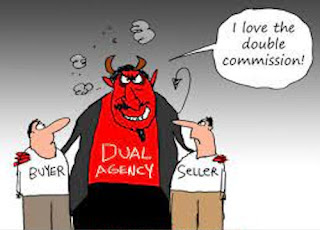
  1. Dual Agency Conflicts: Acting as both the buyer’s and seller’s agent without disclosing the conflict of interest. This can lead to both parties getting less favorable deals, as the agent is prioritizing their own commission.

  2. Inflating the Asking Price: Overpricing a property to attract a higher commission, even though the market won’t support the price, leading to a longer time on the market or eventual price drops.

  3. Lowballing Offers for Personal Gain: Agents may convince sellers to accept a lower offer by claiming it's the best they’ll get, then flipping the property or reselling it at a higher price later.

  4. Bait and Switch Listings: Advertising a desirable home that’s already sold or unavailable to attract buyers, then steering them to other, less desirable (and often higher-commission) properties.

  5. Undisclosed Repair Issues: Hiding significant property issues (like structural damage or faulty systems) that would lower the price or scare off buyers to secure a quicker sale and commission.

  6. Pushing Unnecessary Repairs or Renovations: Suggesting unnecessary expensive updates, claiming they’ll increase the home’s value, while they actually just increase the agent’s commission on the sale price.

  7. Fake or Shill Bidding: Creating false interest in a property by having fake buyers (or themselves) place bids to drive up the price in competitive bidding situations.

  8. Pressuring Quick Sales: Urging sellers to accept lower offers by creating a false sense of urgency, claiming the market is slowing or that no other offers will come in.

  9. Kickbacks from Service Providers: Referring clients to specific inspectors, contractors, or mortgage brokers who offer kickbacks to the agent for steering clients their way, often without disclosing this arrangement.

  10. Misleading Marketing: Using deceptive language or photos that misrepresent the property, making it seem more valuable or attractive than it really is to get higher offers.

  11. Hidden Fees: Adding hidden or unnecessary fees (such as marketing fees, transaction fees, or “administrative costs”) to the final bill, which are not clearly explained to the client upfront.

  12. Fake Appraisals: Colluding with appraisers to inflate a property’s appraised value to justify a higher selling price, even if the home isn’t worth that amount.

  13. Manipulating Offer Timelines: Delaying submission of offers from buyers to create a bidding war or manipulate the timing to favor certain buyers (such as those offering a higher commission split).

  14. Misrepresentation of Property History: Lying about the home’s past ownership or sale history, including failing to disclose foreclosures, legal issues, or prior sales at significantly lower prices.

  15. Encouraging Illegal Practices: Suggesting ways to hide money, avoid taxes, or falsify paperwork to make a deal look better on paper, which could cause legal problems for the buyer or seller later.

These scams, while unethical and sometimes illegal, do occur in the real estate industry, so it’s important for buyers and sellers to stay informed and vigilant.

Monday, May 01, 2023

Illegal Things that Shady Home Insurance Agents Sometimes Do

Some insurance agents cannot be trusted.

While it is rare for a home insurance agent to run shady/illegal deals, it is not unheard of. Also please keep in mind that laws and regulations can vary dramatically depending upon where you live. Here are some examples of things that may be illegal (or possibly SHOULD be illegal) for home insurance agents to do where you live:

  1. Misrepresenting policy terms: Home insurance agents are generally prohibited from misrepresenting the terms, coverage, benefits, or conditions of an insurance policy. They should provide accurate and truthful information to policyholders.

  2. Engaging in unfair or deceptive practices: Agents should not engage in unfair or deceptive practices, such as withholding important information, providing false or misleading statements, or using fraudulent tactics to sell insurance policies.

  3. Discrimination: It is typically illegal for insurance agents to discriminate against individuals based on protected characteristics such as race, gender, religion, nationality, or disability when underwriting or issuing insurance policies.

  4. Twisting or churning policies: Agents should not engage in "twisting" or "churning" practices, which involve coercing or persuading policyholders to cancel their existing policies and purchase new ones unnecessarily. This practice is often done to generate additional commissions for the agent.

  5. Unauthorized use of policyholder funds: Agents are prohibited from using policyholder funds for personal or unauthorized purposes. They should handle premiums and other funds in accordance with applicable laws and regulations.

  6. Falsifying documents: Agents should not forge or alter insurance documents, policy applications, endorsements, or other relevant paperwork. This includes manipulating information to obtain better rates or coverage.

  7. Failure to disclose conflicts of interest: Agents should disclose any potential conflicts of interest that may influence their recommendations or actions. They should act in the best interests of the policyholder and avoid personal gain at the policyholder's expense.

  8. Violating privacy laws: Agents should adhere to privacy laws and regulations regarding the collection, storage, and use of personal information of policyholders. Sharing or selling policyholder information without consent may be illegal.

  9. Failure to obtain proper licensing: Insurance agents must typically obtain the required licenses to sell insurance in their jurisdiction. Engaging in insurance activities without the necessary licenses is illegal.

It's important to note that specific laws and regulations can vary, so it's recommended to consult the laws and regulations in your jurisdiction or seek legal advice for accurate and up-to-date information if you encounter a home insurance agent that you suspect is doing something shady.

Monday, April 10, 2023

8 Shady Things that Real Estate Brokers sometimes do that aren't Technically Illegal

While it's important to note that the majority of real estate brokers operate ethically and professionally, there are some practices that may be considered questionable or shady, even if they are not technically illegal. Here are some examples:

  1. Steering: Real estate brokers may try to steer buyers or renters towards specific properties based on their own interests or incentives, rather than the best fit for the client. This could involve withholding information about other available properties or manipulating the presentation of options.

  2. Overpromising and Underdelivering: Some brokers may make exaggerated claims or promises regarding a property's potential or value in order to attract buyers or secure listings. However, they may fail to deliver on these promises, leading to disappointment or financial loss for the clients.

  3. Pocket listings: Brokers might engage in pocket listings, where they keep exclusive knowledge of certain properties off the Multiple Listing Service (MLS), limiting the exposure of those properties to potential buyers. This practice can create a sense of exclusivity but may not necessarily serve the best interests of the clients.

  4. Dual agency conflicts: While dual agency (representing both the buyer and the seller in a transaction) is legal in some jurisdictions with proper disclosure, it can create conflicts of interest. Brokers may prioritize their own commission or interests over those of their clients, potentially compromising the level of advocacy and representation provided.

  5. High-pressure tactics: Some brokers may employ high-pressure sales tactics to rush buyers into making a decision or accepting a deal without ample time for due diligence or thoughtful consideration. This can put clients under unnecessary stress and may not allow them to make informed choices.

  6. Misleading marketing practices: Brokers may engage in misleading marketing practices to make a property appear more appealing than it actually is. This could involve using deceptive or overly flattering language, using professional staging to hide flaws, or digitally altering photographs to make the property appear more attractive.

  7. Favoring preferred service providers: Brokers may recommend certain service providers, such as lenders, inspectors, or contractors, based on personal relationships or financial incentives, rather than the quality of their services. This can limit clients' options and potentially lead to subpar services.

  8. Lack of transparency in fees and commissions: Some brokers may not be upfront about their fees, commissions, or potential conflicts of interest. They may fail to fully disclose the financial arrangements involved in a transaction, leaving clients with surprises or undisclosed costs.

Remember that these practices are not representative of all real estate brokers, and many professionals operate with integrity and prioritize their clients' best interests. If you encounter any concerns or questionable practices, it's important to communicate openly with your broker or consider seeking assistance from a different professional.

Saturday, April 01, 2023

9 Illegal Things that Real Estate Brokers sometimes do

While real estate brokers are generally expected to adhere to ethical and legal standards, it is important to note that the specific laws and regulations can vary across jurisdictions. Here are some examples of illegal activities that real estate brokers sometimes engage in:

  1. Misrepresentation: Real estate brokers may be prohibited from misrepresenting property information or providing false details about a property's condition, features, or value. This includes providing inaccurate square footage, concealing property defects, or misrepresenting the property's zoning status.

  2. Dual agency without disclosure: In some jurisdictions, real estate brokers must disclose their dual agency status if they represent both the buyer and the seller in a transaction. Failing to disclose this conflict of interest can be illegal.

  3. Discrimination: Brokers are generally prohibited from engaging in discriminatory practices based on protected characteristics such as race, color, religion, national origin, sex, disability, or familial status. This includes steering buyers or renters to or away from certain neighborhoods based on these characteristics.

  4. Kickbacks and undisclosed incentives: It is often illegal for brokers to receive undisclosed kickbacks, referral fees, or incentives from service providers such as lenders, inspectors, or contractors without disclosing them to clients. Brokers should act in their clients' best interests, rather than for personal gain.

  5. Breach of fiduciary duty: Real estate brokers have a fiduciary duty to act in the best interests of their clients. Breaching this duty, such as by engaging in self-dealing or failing to disclose conflicts of interest, can be illegal.

  6. Fraudulent practices: Real estate brokers should not engage in fraudulent activities, such as forging signatures, providing false documentation, or misrepresenting financial information. This includes fraudulent flipping schemes, mortgage fraud, or misrepresentation of property values.

  7. Unauthorized practice of law: Real estate brokers should not provide legal advice or engage in activities that require a license to practice law unless they are licensed attorneys. This includes drafting legal contracts or offering legal interpretations.

  8. Failure to disclose material information: Brokers may be required to disclose material information about a property to potential buyers, such as known defects, environmental hazards, or any other information that may significantly impact the property's value or desirability.

  9. Violation of privacy laws: Brokers should handle personal and confidential information of clients in accordance with applicable privacy laws. Sharing or using client information without proper authorization can be illegal.

It's important to remember that real estate laws and regulations can vary, so it is advisable to consult the specific laws and regulations in your jurisdiction or seek legal advice for accurate and up-to-date information.

Wednesday, March 15, 2023

Illegal and Unethical Real Estate Broker Practices

While double dipping in real estate transactions is generally considered unethical and may be illegal in many jurisdictions, there are also historical incidents involving real estate brokers that demonstrate unethical or fraudulent practices:

  1. Equity Skimming: In the 1980s, during the savings and loan crisis in the United States, some real estate brokers engaged in equity skimming schemes. They would convince financially distressed homeowners to sign over their properties, promising to handle the mortgage payments. Instead, the brokers would collect the rental income without paying the mortgages, leading to foreclosure and financial ruin for the homeowners.

  2. Straw Buyers: In various instances, real estate brokers have conspired with straw buyers to inflate property values and secure fraudulent loans. Straw buyers are individuals who pretend to be legitimate buyers but are actually working in collusion with the broker to defraud lenders. By falsely inflating property values and arranging for loans based on those inflated values, brokers and straw buyers can profit illicitly.

  3. Property Flipping Fraud: Some real estate brokers have been involved in property flipping fraud schemes. In such cases, properties are bought at artificially low prices, and then the brokers orchestrate a series of transactions, rapidly increasing the property values through false appraisals or misrepresentation. Ultimately, unsuspecting buyers are left with overvalued properties and substantial financial losses.

  4. Kickbacks and Undisclosed Commissions: Although not directly related to double dipping, there have been instances where real estate brokers have received kickbacks or undisclosed commissions from third parties involved in a transaction. These secret payments can compromise the broker's duty to act in their client's best interest and potentially lead to unfair deals.

Not all real estate brokers engage in fraudulent or unethical practices, but the fact that some do shows the need for regulations and laws to prevent these things from happening. Real estate regulations and professional organizations continuously work to combat such practices and maintain the integrity of the industry, but when that fails there really should be legal mechanisms in place to ensure the integrity.

Friday, March 10, 2023

Why is Double Dipping often illegal?


See Also: Double Dipping should be Illegal in Ontario

Double Dipping refers to a practice where a real estate broker or agent collects a commission or fee from both the buyer and the seller in a real estate transaction. This means that the broker represents both parties in the transaction and receives compensation from both sides. However, double dipping is considered unethical and may be illegal in many jurisdictions due to several reasons:

  1. Conflict of Interest: Double dipping creates a significant conflict of interest for the broker. By representing both the buyer and the seller, the broker's loyalty and fiduciary duty to either party may be compromised. They may prioritize their own financial interests over the best interests of their clients, leading to potential unfairness or biased advice during the transaction.

  2. Duty of Loyalty: Real estate brokers have a duty of loyalty to their clients, which means they are obligated to act in their clients' best interests. When a broker double dips, it becomes challenging to fulfill this duty since their financial interest is tied to both parties. This can erode trust and may lead to a breach of the broker's fiduciary duty.

  3. Transparency and Fairness: Double dipping can undermine transparency and fairness in real estate transactions. When a broker receives compensation from both the buyer and the seller, it may not be clear to the parties involved how their interests are being represented. This lack of transparency can create doubts and suspicions regarding the broker's motivations and may hinder fair negotiations.

  4. Consumer Protection: In many jurisdictions, real estate regulations and laws aim to protect consumers and ensure fair practices in the industry. Prohibiting double dipping helps safeguard the interests of buyers and sellers by promoting fair and unbiased representation. It ensures that brokers act in a manner that is transparent, accountable, and solely focused on serving their clients' best interests.

  5. Professional Standards: Real estate associations and professional organizations often have codes of conduct or ethical guidelines that prohibit double dipping. These standards are in place to maintain the integrity of the profession and uphold ethical practices. Brokers who engage in double dipping may face disciplinary actions, including license revocation or suspension.

While the specific regulations and laws regarding double dipping may vary between jurisdictions, the underlying principles remain consistent: to ensure fair and transparent representation for both buyers and sellers, protect consumers, and maintain the integrity of the real estate industry.

Saturday, February 25, 2023

Real Estate Law Firms in Vancouver


Below is a short list of real estate lawyers who operate within Vancouver, Canada. Please note that this blog is NOT sponsored by any of these lawyers, hence why we have not included any links to their websites. See Also: Real Estate Lawyers in Toronto.

  1. Lawson Lundell LLP:

    • Background: Established in 1887, Lawson Lundell is a leading law firm in Western Canada with expertise in various practice areas, including real estate law.
    • Website: https://www.lawsonlundell.com/
  2. Farris LLP:

    • Background: Farris is one of the largest law firms in British Columbia, offering a wide range of legal services, including real estate law.
    • Website: https://www.farris.com/
  3. Miller Thomson LLP:

    • Background: Miller Thomson is a national law firm with offices across Canada, including one in Vancouver. They provide legal services in various areas, including real estate law.
    • Website: https://www.millerthomson.com/en/
  4. McCarthy Tétrault LLP:

    • Background: McCarthy Tétrault is a prominent Canadian law firm with expertise in multiple practice areas, including real estate law.
    • Website: https://www.mccarthy.ca/
  5. Clark Wilson LLP:

    • Background: Clark Wilson is a full-service law firm based in Vancouver, offering legal services in different areas, including real estate law.
    • Website: https://www.cwilson.com/

Please keep in mind that this is not an exhaustive list, and there are many other law firms and lawyers in Vancouver specializing in real estate law. Also the information presented above may be out of date by the time you read this.

Monday, February 20, 2023

Real Estate Law Firms in Montreal

Here are a few examples of real estate law firms in Montreal, along with some background information. Please note that the information provided below may be outdated.

Also note that this website is not sponsored by any of these lawyers, and thus we have not included any working links to their websites. Lawyers wishing to exclusively sponsor "My Search for a Home" are invited to contact Charles Moffat regarding sponsorship.

  1. Osler, Hoskin & Harcourt LLP:

    • Background: Osler is a leading Canadian law firm with offices in Montreal and other major cities. They offer a wide range of legal services, including real estate law.
    • Website: https://www.osler.com/
  2. Norton Rose Fulbright:

    • Background: Norton Rose Fulbright is an international law firm with a presence in Montreal. They have a team of lawyers specializing in real estate and provide comprehensive legal services in the field.
    • Website: https://www.nortonrosefulbright.com/en-ca/
  3. Fasken:

    • Background: Fasken is a large Canadian law firm with a global presence. They have a Montreal office and offer expertise in various practice areas, including real estate law.
    • Website: https://www.fasken.com/
  4. McCarthy Tétrault LLP:

    • Background: McCarthy Tétrault is a well-established Canadian law firm with offices in Montreal and other major cities. They have a team of lawyers experienced in real estate law.
    • Website: https://www.mccarthy.ca/
  5. Stikeman Elliott LLP:

    • Background: Stikeman Elliott is a leading business law firm in Canada with an office in Montreal. While they primarily focus on corporate law, they also have a real estate practice.
    • Website: https://www.stikeman.com/
  6. BCF Avocats d'affaires:

    • Background: BCF is a Montreal-based law firm that offers a range of legal services, including real estate law. They have a team dedicated to assisting clients with various real estate matters.
    • Website: https://www.bcf.ca/
Please remember that this list is not exhaustive, and there are many other real estate law firms and lawyers in Montreal.

Saturday, October 01, 2022

6 Famous Examples of Fraud in the Real Estate Industry


Below are 3 famous examples of fraud in the real estate industry plus 3 common examples of real estate fraud that people should watch out for.

  1. The Flintstone House (Hillsborough, California, USA): In 1976, a unique, futuristic house inspired by the popular cartoon "The Flintstones" was constructed in Hillsborough, California. The owner faced legal action from the town for alleged violation of building codes and unpermitted modifications to the property. The case brought attention to the importance of adhering to local zoning and building regulations.

  2. The Lehman Brothers' Misleading Mortgage Practices: In the years leading up to the 2008 financial crisis, Lehman Brothers, a global investment bank, engaged in questionable mortgage practices. They packaged and sold mortgage-backed securities without adequately disclosing the risks associated with subprime mortgages. This contributed to the housing market collapse and subsequent economic downturn.

  3. The Trump University Scandal: Donald Trump, before becoming the 45th President of the United States, faced legal action over Trump University. The "university" was accused of misleading students with false promises of real estate success through expensive courses. The case highlighted the importance of conducting thorough research before enrolling in educational programs or seminars.

  4. Property Flipping Scams: Property flipping scams involve individuals or groups purchasing distressed properties, misrepresenting their value through fraudulent appraisals, and quickly reselling them at inflated prices. These scams can deceive buyers and inflate property values, contributing to a volatile market and potential financial losses for unsuspecting investors.

  5. Mortgage Fraud Schemes: Mortgage fraud occurs when individuals provide false information or engage in deceptive practices during the mortgage application process. This can include inflating income, misrepresenting employment status, or providing falsified documents. Mortgage fraud undermines the integrity of the lending industry and can lead to substantial financial losses for lenders and homeowners.

  6. Rental Scams: Rental scams involve fraudsters posing as property owners or agents and advertising rental properties that do not exist or that they do not have the authority to rent. Victims are tricked into paying deposits or rent in advance, only to discover they have been scammed. These scams highlight the importance of conducting thorough research, verifying property ownership, and being cautious when dealing with online rental listings.

It's important to note that these examples serve to highlight the prevalence and impact of real estate fraud, but they do not represent an exhaustive list of all instances of real estate fraud. Real estate fraud can take various forms and occur in different regions, emphasizing the need for vigilance and due diligence when engaging in real estate transactions.

Monday, August 01, 2022

List of Real Estate Lawyers + Firms in Toronto


  1. McCarthy Tétrault LLP: McCarthy Tétrault is a prominent Canadian law firm with a strong real estate practice. They offer a wide range of legal services, including acquisitions, dispositions, leasing, development, financing, and construction matters. The firm has a reputation for providing comprehensive and strategic advice to clients in various industries.

  2. Goodmans LLP: Goodmans is a leading full-service law firm in Toronto, known for its expertise in real estate law. They have a specialized real estate group that handles complex transactions, including acquisitions, sales, leasing, development, and financing. The firm is recognized for its commitment to client service and delivering innovative solutions.

  3. Gowling WLG: Gowling WLG is a global law firm with a strong presence in Toronto. Their real estate lawyers assist clients in all aspects of real estate law, such as acquisitions, dispositions, leasing, property development, financing, and land use planning. The firm's multidisciplinary approach allows them to handle complex real estate matters effectively.

  4. Osler, Hoskin & Harcourt LLP: Osler is a leading business law firm with a well-established real estate practice. Their real estate lawyers advise clients on various matters, including commercial transactions, development projects, financing, leasing, and property management. The firm is known for its extensive industry knowledge and client-focused approach.

  5. Torys LLP: Torys is a highly regarded international law firm with a strong presence in Toronto. Their real estate group provides comprehensive legal services to clients involved in real estate transactions, including acquisitions, sales, leasing, development, financing, and restructuring. The firm's deep industry expertise and collaborative approach set them apart.

  6. Blake, Cassels & Graydon LLP: Blakes is a leading Canadian law firm with a reputable real estate practice. They assist clients in all aspects of real estate law, including acquisitions, dispositions, leasing, financing, development, and land use planning. The firm is known for its commercial acumen and ability to handle complex real estate matters.

  7. Cassels Brock & Blackwell LLP: Cassels Brock is a full-service law firm with a dedicated real estate group. Their real estate lawyers offer expertise in commercial real estate transactions, including acquisitions, sales, leasing, development, financing, and land use planning. The firm is recognized for its strong client relationships and pragmatic advice.

Please note that the information provided above may be subject to change and may become erroneous in the future.

Also note that this blog is NOT sponsored by any of the above real estate lawyers or their firms, hence why we have not included any links to their websites.

Tuesday, December 14, 2021

Double Dipping should be Illegal and Broker Fees Capped at 5%

For those that don't know, Double Dipping refers to a real estate broker practice where they end up representing both the home owner selling a property, and the home buyer who is seeking to purchase the same property. Normally they only get 5% of the sale value, but double dipping on the commission gives them 10%.

It really should be illegal.

And it is super unethical.

Why?

#1. Because it ends up favouring the home owner and unfairly raising the price of the property (and consequently contributing to housing bubbles).

#2. Because the broker ends up wanting a higher price so they can collect 10% of the total value (instead of the usual 5%), they're going to be biased towards hiding anything wrong with the property.

Eg. Hiding whether the property is on a flood plain, has a history of mold problems, and the roof is leaking. The double dipping broker, who wants the house to sell for more, isn't going to want to mention anything that is wrong with the house that the home buyers really should be aware of before making a purchase.

#3. Normally what you are supposed to do is have one broker representing the buyer and one broker representing the seller, and they're meant to be separate and each of them have a fiduciary duty to represent their client's interests, but when the broker represents both they are invariably biased towards the homeowner and will ignore the seller's best interests in order to get a higher sale price.

So in the example cited above, let's say someone owns a house that is on a flood plain (thanks to clay stratification), and the roof is leaking and the house has a history of mold problems... If the real estate broker is unethical and double dipping, they're not going to want to mention these three problems to any potential home buyers.

#4. Real estate brokers who are double dipping actively encourage bidding wars, knowing that if a property goes for a lot more they get 10% of that. This in turn adds to the real estate bubble, and ultimately hurts the buyer.

In Ontario double dipping is currently legal and unregulated.

If any politicians are reading this and they want to get more votes for their political party, listen well.

Make double dipping illegal and cap individual broker fees at 5%.

Then... Make it retroactive for the last 5 years and force real estate brokers who sold any houses using double dipping to issue a refund for 5% of the value of all properties they sold during that time period, giving the money back to the home buyers who got ripped off.

Politically this will lead to lots of votes for the political party who hammers this home. All the home buyers will definitely think about voting for the party that gives them an extra $50,000 or more if the house was worth $1,000,000 or more. And even if the property was $500,000, they're not going to complain about getting an extra $25,000.

That amount of money getting pumped back towards home owners will boost the economy, punish the unethical brokers, and help to soften Ontario's real estate bubble which could burst if too many things happen that hurts the market.

Who will complain?

Only the rotten real estate brokers who were doing something unethical and something that really should have been illegal in the first place. The ethical brokers won't complain. Only unethical ones will complain.

This is really something that should have been made illegal a long time ago.

Having separate brokers for the seller and buyer is a necessity, just like having separate lawyers in a divorce. Without that separation the middle man will always favour the person which is going to end up giving them more money, and that bias will lead to them hiding things.

Moral of the Story:

Buyer Beware. Double Dipping Real Estate Brokers are way worse than used car dealers. They're absolute snakes.

They make politicians look decent in comparison.

Friday, December 10, 2021

Our House is on a Floodplain. Why? Clay Stratification

Our house in North York/Toronto is on a floodplain.

I learned this recently thanks to a helpful neighbour. I was walking home from dropping off my son at school, and one of our neighbours was doing the same after dropping off his son, and we were both looking at the new construction of a building near the school.

The new building has a giant basement. Two stories. Something similar to an "iceberg home" where most of the house is actually below ground.

My neighbour was laughing at it however and predicted that it was going to get flooded...

And that was when I learned our entire neighbourhood was on a floodplain.

It wasn't something we were told about when we leased the property, but it is definitely an issue.

Now you might think, like I did: "Wait, isn't our house on a hill? How can it be on a floodplain?"

The problem is the soil.

Clay Stratification

Most drainage issues are caused by clay soil. A minor issue will be that you have standing water after a heavy rainfall for less than a day, and it will be more noticeable in your front yard and backyard. Clay soil is more dense than sandy or loamy soil, and therefore, is slower to allow rainwater to filter through it.

Clay Stratification is when you have multiple layers of dense clay, the result of millions of years of rainfall, rivers and flooding, etc. When one layer of clay stratification becomes flooded it acts like a barrier, so that water above it just sits there and can only move sideways, but not down.

Get too much water all at once, and the next thing you know your basement is flooded because it acts like a well where the water can collect. Many basements aren't designed to withstand that much water trying to get in. This is a big problem for many parts of Toronto because clay stratification is actually surprisingly common.

Why does Toronto have so much clay stratification?

Go back 12,000 years ago and all of Toronto, the GTA and the Great Lakes region was under a big inland sea. As time went by the water levels receded and it left behind layers of clay bits and loamy bits, resulting in many layers of clay and loam.

Factor in that Toronto is also effectively an ancient river delta, and yeah... That's a lot of clay.

So what can you do about it?

Knowledge is key.

#1. You need to ask "Is this property on a floodplain?"

And make a note of how the owners respond.

#2. Get it in writing.

Because people do lie about floodplains and it can lead to lawsuits when people later find out that they bought property on a flood plain. (Or bought a house with mold problems. Or bought a house with termites. The previous owners need to be disclosing these problems.)

#3. Ask "What steps have been taken to prevent flooding?"

Because chances are likely if your property is in Toronto, then it is probably on a flood plain. Even if it is on top of a hill.

#4. Get home owners insurance.

But you might also get other types of insurance too. Eg. Buyer's Title Insurance for example. Or Mortgage Insurance if you are getting a mortgage.

And flood insurance if you are in a high risk location.

Basement Flooding on the Rise thanks to Climate Change

Yeah... So this isn't a problem that is just going to go away. Places that aren't traditionally thought as being flood prone these days are getting flooded anyway. Climate Change means that Toronto now has a rainy season from April to May.

And we can still get large deluges of water thanks to freak rainstorms like that one on July 8th 2013.

I was outside when that flood happened. Toronto got 126 mm of rain in only a few hours. And while that doesn't seem like much, remember that water flows downhill and will flood basements, parking garages, subway stations, floodplains, lower streets, etc along the way.

Here's some video of what happened on July 8th 2013:


Thursday, July 16, 2020

Rental Fraud

I think it is disgusting despicable that people will take advantage of the poor and/or mentally ill in these rental fraud schemes.

It also shows that local governments are not doing their jobs properly to both police such situations, and to provide housing for the mentally ill so they don't end up in abusive situations like this.

If you are not familiar with this crime, here is what happens:

1. The criminal rents a house, often providing fake documents for their identity to make it difficult for police to later track who they are.

2. The criminal then rents out the home by pretending to be the homeowner to multiple people all at once, taking their first and last month cheques and cashing them. So for example if they rent out the home for $2000 per month, that is $4000 per each person duped. If they rent it out to 20 people all at once they could make $4000 x 20 = $80,000 for one giant fraud. They might even insist on being paid in cash, making it even easier for them to run off with the cash.

3. The people who thought they were renting the house all show up on moving day and discover that they are not the only people who was trying to rent the house, and furthermore discover that the person they were renting from was not the true owner.

The alternative to this fraud is even more heinous, it is when people rent out individual rooms in the house, for a comparatively cheap price, and then collects the pension cheques of the elderly or welfare payments for mentally ill people, effectively robbing them blind and take advantage of the fact that they are senile or ill equipped to defend themselves.

Unfortunately it is also very difficult to even find the criminal involved as they continually do these frauds, often moving from neighbourhood to neighbourhood. Some might not even live in Canada, but rented the place remotely and then rented it out remotely to any people foolish enough to send cheques or cash in the mail.


Sunday, January 05, 2020

How to Launder Money through Real Estate

Every year in Canada over $40 billion CDN is laundered through real estate transactions. Over $130 billion CDN is laundered in Canada every year, but over $40 billion is being laundered via real estate because it is so easy to launder money via real estate.

And the real estate brokerages are in on it.

So how does it work?

#1. Get lots of dirty money by being a criminal.

#2. Hire a lawyer with no ethics who doesn't ask a lot of questions.

#3. The lawyer sets up a dummy corporation that can be used to buy and sell properties, using cash.

#4. Find an unethical real estate broker or brokerage who won't report suspicious behaviour and doesn't ask questions.

#5. Pay in cash.

#6. Later sell the property and get paid via electronic transfers to your bank account. That money is now "laundered".

It is stupidly easy to do too, and while it is illegal to launder money, the above steps aren't actually illegal (except for #1 obviously) and there is no laws requiring lawyers or real estate brokers to report suspicious behaviour.


So how does this effect YOU???

Well, it means that a percentage of houses in Canada every year are bought up by criminals who can outbid you easily because their primary goal is to launder the money.

It means that real estate prices in cities like Toronto and Vancouver frequently go up by 5% or more annually (purely from criminals driving up prices).

And as noted in the video above, 5% per year is the difference between a $1 million house selling for $1.65 million after 10 years of ballooning prices.

So this is actually a huge problem and it is contributing to Canada's real estate bubble.

And when that bubble bursts it will be home owners who end up getting hurt the most, not the criminals.

Thursday, May 03, 2018

Demand for real estate lawyers goes up as Toronto home prices plummet

Imagine you are selling your Toronto home for $1.1 million and suddenly the buyer who already agreed to buy your home changes their mind, despite various bits of paperwork already being signed.

The reason? The home prices in Toronto have been dropping dramatically and some buyers have become wishy-washy on the whole buying idea when they see falling prices.

This happened to one seller. They were in the process of selling their home for $1.1 million, and the buyer changed their mind.

Months later when the seller finally did sell their home it was for little more than $800,000. So they lost $300,000 in that failed transaction. Or 37.5% of the value of the house. That is a huge drop.

So they tried to recoup their losses by suing the buyer who had pulled out by hiring a real estate lawyer, but that failed too. Was their real estate lawyer just not good enough? Or did they just have a weak case?

Whatever the situation, and it truly does vary from case to case, real estate lawyers in Toronto are suddenly in more demand as home sales continue to drop.

Sales data from the Toronto Real Estate Board (TREB) shows the average home sold for $804,584 in the Greater Toronto Area in April 2018, a 12-per-cent drop from $918,184 in April last year, when the market hit a record peak before beginning a steep slide in May 2017.

So that is the average. Not everyone experiences a 37.5% drop in value.

Still a 12% drop is significant.

Prices can also change dramatically from month to month, as can volume. Total number of sales in January, for example, were down 24% compared to December on a seasonally adjusted basis. Total sales fell 9% in February compared to January, and sales were down 1.4% in March compared to February, based on seasonally adjusted numbers.

So taken together, volume of sales is down 34.4% just in the December to March period, despite seasonal adjustments.

Volume is drying up as many homeowners have apparently decided low prices means this is a bad time to sell, so the only people selling are those people who really want to sell in a hurry.

Which is probably why that one seller took only $800,000 when it was $1.1 million months earlier. Is that really the buyer's fault for getting cold feet? Or was the seller just in a hurry to sell? Clearly it was the latter. They could have simply refused to sell.

Thus the seller might have had a better case if they had waited longer to sell and not accepted such a huge dip in the offer. A good real estate lawyer probably would have warned them against selling too soon.

Below is a video by Toronto real estate lawyer Stephen Shub - this is not an endorsement of his legal practice, I am just posting his video as an example of what real estate lawyers do. In the video Shub describes some of the services that real estate lawyers provide.


So who is the best real estate lawyer in Toronto?

Honestly. Hard to say.

It is probably not Stephen Shub. There are probably hundreds of other real estate lawyers who are better than him. I have no idea. Just guessing. I just like his video, despite his somewhat awkward manner of talking to the camera and the bad editing.

Googling "toronto real estate lawyer" won't tell you who is the best either. The people at the top of the search rankings are probably just the people who hired the best SEO experts to do their online advertising.

Yelp? Filled with fake yelp reviews.

Google Maps/Business? Also filled with fake reviews.

I do think I have a solution however...

Don't use the regular Google search. Use the Google News Search, find the name of a lawyer who has been in the news and recently won a case. Then search only that lawyer's name in Google News and see if there are other news articles talking about legal cases that lawyer has won.

It may not be the way to find the "best lawyer in Toronto", but it should find you a lawyer who wins cases - including high profile cases.

So for example I did a Google News search for Stephen Shub and only 1 article came up from April 23rd 2018:

https://www.thestar.com/business/2018/04/16/condo-buyers-want-100000-and-an-explanation-after-liberty-developments-killed-cosmos-condos-a-real-estate-lawyer-says.html

In the article Stephen Shub is not winning a case, he is just commenting on a condo development that disappointed buyers when the builder killed the development.

Does that make him a good lawyer? Just commenting on a prospective case? Not really.

I found the names of other real estate lawyers...

  • Tim Duggan
  • Bob Aaron
  • Lawrence McLawyerson

Okay, so that last one I made up. But the first two were real.

Tim Duggan appears in multiple news articles. I didn't bother to read them all.

Bob Aaron appears in a whole bunch of news articles. A ridiculous amount. The news media loves mentioning him.

So from that perspective Bob Aaron looks pretty good. He is at least getting a lot of media attention. Is he winning cases though?

I don't know. I didn't bother to read anything more than the headlines. There was a LOT of news articles mentioning him though... hopefully they are mostly positive about his reputation.


Do you know a Toronto real estate lawyer that you would recommend? Post their name in the comments. Please do NOT post links to their websites. I do not allow spammy links.


Thursday, December 28, 2017

Real estate agents breaking the rules: Hidden camera investigation

 The following video is a hidden camera investigation by CBC to determine how unethical real estate brokers are who double dip and do similar unethical and illegal things.

This is why you should ALWAYS get a separate real estate broker.


Friday, February 07, 2014

Average Homeowners Insurance Losses by Causes 2006 to 2010

Average Homeowners Insurance Losses by Causes 2006 to 2010

Watch out for Homeowners Insurance Scams

Did you buy your homeowners insurance online from a company you had never heard of?

Chances are likely that if you did, and you ever try to collect for damages done to your house, that you will never see a dime of that money.

Online insurance scams are a dime a dozen - and there are so many companies out there that are just fronts for insurance scams. They wow you with low prices and stylish websites, but the company is based overseas - which means they have no legal requirement to give you any money should anything happen to your home.

Next, what about a company where you meet the insurance agent in person - and you've heard about the company?

Well many times insurance companies don't like to pay out to homeowners. They use every trick in the book to reduce how much they need to pay you and/or increase how much money they can dig out of you.

Tricks like:

1. The company’s adjuster doesn’t give you the best estimate.

2. You are forced to buy extra policies because you live in a high-risk area - and then they refuse to pay up because you live in a high-risk area.

3. A bad credit report increases your premiums - and then they refuse to pay up because they think you are trying to scam them with fraudulent claims.

4. They jack up their prices afterwards, even though you had nothing to do with the cause of the damage.

5. You end up paying twice when you cancel your policy - because they keep charging your bank account or credit card.

6. The company encourages you to use its mechanic - and then skimps on the repairs. (You are entitled to use your own mechanic to make sure the repairs are done properly.)

7. You are encouraged to take supplemental policies.

8. They don't actually give you the best price, but instead jack up the price because they think you are a sucker.

9. You are led to believe you aren’t covered after you lose your job - so instead they sell you a joblessness supplement.

10. You are led to believe the insurance company’s decision is final - but this is not legally the case. You can take your insurance company to court if you want to, and make them pay your legal bills, if they refuse to pay up on a legitimate claim.

11. A very long list of exceptions in the fine print for things that the company refuses to provide coverage for.

Tuesday, February 04, 2014

Apartment Rental Scams in Toronto

How to Recognize and Avoid Apartment Rental Scams in Toronto

If you're looking for an apartment, the last thing you want is to fall victim to a rental scam that takes your hard earned cash and leaves you with nothing. Scam artists like to take advantage of prospective tenants because emotions involved in the apartment-hunting process can make people more vulnerable and susceptible to making mistakes, often just by trusting people when you should not.

If you are feeling excitement and enthusiasm about finding a new home, your eagerness might make you become more trusting. Scam artists also prey on apartment hunters who are in a time crunch (because of a job relocation or personal issue, for example) and are desperate to find a new place as soon as possible.

What is a Rental Scam?

Rental scams are a variation on a theme. The scammer tries to get money from a prospective tenant for an apartment that the scammer is in no legal position to rent - meaning they don't own it, are not the current renter looking to sublet, etc. The apartment might be real or even fictitious. The scammer could even be a real landlord, former landlord or often just an impostor.

Often they take possession of your money and then you never see or hear from them again. Only to find out the apartment was never theirs in the first place.

Fortunately, there are many ways apartment hunters can lower the likelihood of getting tricked in a rental scam.

#1. Always view an apartment in person - or have a friend or family member view it for you. Never rent anything you haven't seen in real life and can verify it is really on the market. (Seeing lots of photos of it doesn't count.)

#2. If you see an apartment for rent on Kijiji or Craigslist, and the owner is overseas (and unavailable to give you or a friend a tour of the apartment) then it is most likely a scam.

#3. Ask the owner what landmarks / amenities are near the apartment. If they cannot name any then it is probably a scam.

#4. If they try to pressure you to send a payment immediately, it is probably a scam.

#5. Don't assume that just because someone says "God Bless you!" that they are a good Christian or anything like that. Scam artists love pretending to be religious and kindly because it leads people into a false sense of security.

#6. If the price seems to be too good to be true, it probably is.

#7. Don't be in a rush to pay immediately. Take your time and make sure the apartment is for real.

#8. Visit the building and when a tenant leaves ask if they like the building managers, the building in general - maybe they even know the person who lives (or used to live) in the apartment you are hoping to rent.

#9. Check Toronto real estate rental listings - if you cannot find the apartment that is being rented, or worse, if it is being rented, but at a different price - then something is fishy. A quick way to do this is to google the address of the apartment and look for rent listings.

#10. Often the scammer pretends to be the landlord, in which case you should always insist on meeting the landlord in person at the apartment so you can see it in person. If they refuse to meet you, or have someone else meet you, if they don't produce the keys and show you the apartment - then something is fishy. eg. A landlord that meets you there, but doesn't have the keys should not be trusted.

#11. Never let your guard down. Never give them a money order, cash, or anything other than a cheque. With a cheque you can call the bank and ask them to put a stop on the cheque - which means you won't lose your money if it turns out to be a scam.

#12. Don't assume that if you used a reputable website to find the apartment for rent that it is legit. Many rental scams are placed in legitimate rental websites and renters news catalogs.

#13. Sometimes the scammer might even use the name of a real landlord - in which case find out from a secondary source what their phone number is so you can contact them directly.

#14. If something feels wrong or fishy, look elsewhere. Avoid anything that is a red flag.

#15. If they ask you to send money wirelessly (not a cheque) for an apartment you haven't seen, its a scam.

#16. If they are asking you to lease the apartment and want you to pay before signing lease documents, its a scam.

#17. Never rely on promises, photos or even video of the apartment. See it IN PERSON.

#18. Even if you do see it in person, it is always possible they might try to rent it to multiple people at the same time - and they don't even own it. Moving day comes and 20 people all try to move into the same apartment - complete with 20 different copies of the same key. Make certain they are the owner of the place and not just some Joe Schmoe who lived there for 2 months.

#19. 99% of apartment rental scams are because the person didn't visit the apartment in person.

#20. If the supposed landlord seems too eager to lease the apartment to you, its a scam.

#21. If the supposed landlord suddenly lowers their price in an attempt to make it more appealing, its a scam.

#22. If the supposed landlord didn't check your credit score / criminal background / occupation, its a scam.

#23. If they are extremely willing to negotiate the rent and other lease terms with you, its a scam.

#24. If you're asked to pay 3 or more months in advance (or a whole bunch of upfront fees), its highly suspicious.

#25. If you say you want to consult a friend or a lawyer (regarding a lease agreement) and they tell you don't need a lawyer or to consult your friend, then they are up to something fishy and they want to rush you into signing and paying.

#26. If you ask the supposed landlord about other apartments they have for rent and they either don't have any, or they do but it is more expensive, be extra suspicious.

#27. If the landlord has a convenient excuse for not being able to meet you or show the property its a scam. eg. In the hospital, out of the country, visiting family for a funeral, etc.

#28. If the person has really bad English (like Nigerian spam emails), its more likely to be a scam.

#29. If they offer to help you get a green card for the country in question, its a scam.

#30. If they are Canadian but don't have a Facebook profile, it is suspicious. (80% of Canadians have Facebook profiles.)

What To Do If You Get Scammed?

If you become the victim of an apartment scam, you might feel there's not much you can do. But there are steps you can take to help catch who's behind the scam, get your money back, and put this unfortunate experience in the past.

#1. If you sent a cheque, put a stop on that cheque by calling your bank.

#2. Call the police. They can advise you on other options you can do to try and get your money back.

#3. Ask the bank to trace who cashed the cheque.

#4. Contact the publisher where you saw the ad. See if they have any contact info for the scammer which allows you and the police to track them down.

#5. If the scam occurred in the USA contact the Federal Trade Commission (FTC), which is the federal consumer protection agency. They can also provide tips for tracking down scam artists.

#6. Review your correspondence and look for red flags - and anything that might be a clue to the scam artist's whereabouts.

#7. Try finding another one of their ads, pretend to be someone else and see if you can catch them the 2nd time around.

#8. Learn from this experience as a lesson on when not to trust people.

#9. Warn others not to make the same mistakes you did.

Wednesday, October 02, 2013

Antoine Berthelet Avenue in Montreal / The Mafia in Canada


The photo you are looking at above is a Google Street View photo of Antoine Berthelet Avenue in Montreal.

The reason why is because the homes on this quiet looking street are home to many of the Sicilian mobster families in Canada - which incidentally make a lot of interesting real estate deals thanks to corrupt government officials and dirty politicians.

The street is basically Canada's mafia headquarters - and they are filthy stinking rich, so they should have some pretty interesting houses right?

The Sicilian families who live there - all part of the Rizzuto family syndicate - own the whole street. So lets look at some of the nicer houses on the street and see what kind of houses known criminals live in. (You can do this yourself on Google Street View sometime, it is really fun.)

So I shall post some photos of the houses I think look best and then we can talk about their houses and later the role of the mafia in Canada's real estate industry later.

Interesting Factoid - Montreal Godfather Nicolo (Nick) Rizzuto was shot and killed with a sniper rifle through the kitchen window of his house (I don't know which house is his, but I am guessing it is one with nice big kitchen windows). The hitman whom the police believe did it was Toronto's Salvatore (Sam) Calautti, working for a rival family, was gunned down by a hitman working for the Rizzuto family in Toronto in July 2013. [Read more, Toronto Star article.]

Note - Vito Rizzuto, Nicolo's son and the Montreal Godfather since his father's death, was released from an American prison in October 2012 and has since ordered a killing spree of hits on the family's enemies. He is currently living in a very high security apartment in Montreal because Antoine Berthelet Avenue is now considered too dangerous for enemies to just waltz into and start shooting at him.

I was surprised there was no walls around the homes. Canada's mafia likes to blend in.

I like the hedges and its castle-like qualities.

Not very wheelchair friendly, but impressive never the less.

Very small windows on this house, and it looks scary.

I like the different architectural styles. You can definitely feel some Italian architecture slipping in.

The bars on the windows are interesting, as is the gardener carrying a large bag of something to his truck.

Some of them are even really modern looking. A surprising change.

Feels a bit like the White House, complete with gardener's truck. I have a hunch he gardens for the whole neighbourhood.

Kind of boring looking, and those windows are freaking huge. If anyone wanted to shoot through them it would be easy.
There is no doubt a lot of history on Antoine Berthelet Avenue in Montreal. And I am not just referring to the assassination by sniper bullet on November 10th 2010 through the kitchen window.

I would not be surprised if the RCMP had agents lurking around the neighbourhood regularly trying to get surveillance footage and audio evidence which could help lead them to major busts. If you ever wanted to see a mafia hit happen, you could just hang out near this street and wait to hear gunfire.

Anywho.

The Role of the Mafia in Canadian Real Estate

Did you know that quite a few politicians are easily corruptible and take bribes from "re-election donations"? No! Say it ain't so! That can't be true!

It is like a complete stereotype that politicians - and also civil service government workers - take bribes on a regular basis. Bribing a civil service employee is a crime after all, but it is one that rarely gets caught.

Lets say for example that you want to build a whole new suburb in the north end of a city. You bought the land already, but you need to get city approval to start building and then selling the properties. And if possible, you can also get city funding - and overcharge them a lot for "unforeseen costs" that balloon easily. And if anyone refuses to play, you bribe them, intimidate them, or arrange an accident for them. After all, when you have hitmen at your disposal you can make a lot of money off perfectly legal land deals by making illegal bribes, coercion, death threats, and making examples of people who don't play along.

And the city is stuck with funding part of a land development designed to make the mafia lots of money, it is all legal on paper, and the spending problems are handled by local taxpayers.

So yes, if you live in a city that sees a lot of land development going on and there is an organized crime presence in your city, guaranteed you are being robbed via your municipal land taxes by the mafia.

And if you live in Ontario or Quebec, a lot of that is controlled by the Rizzuto family in Montreal - whom many of them live on Antoine Berthelet Avenue. How quaint. Your taxes helped pay for those houses you saw above.

Now the beauty of the mafia in Canada is that they rarely get caught. As in practically never get caught.

Their money-laundering is often done via bogus charities and other sophisticated and unsupervised outfits - and sometimes even government run operations, like the recent Canada Revenue Agency cheque for "Nick Rizzuto" for $381,737.46... even though he owed CRA $1.55 million at the time (for legitimate business deals, which is often real estate in the case of the mafia because real estate deals are often a good way to launder money). [Read more about this story from the CBC.] The cheque is labelled "income tax refund" and is dated Sept. 13, 2007.

Events like people noticing a CRA cheque for $381,737.46 to a now deceased mafia godfather are certainly a rarity.

Now if you read the CBC article you will note the cheque was noticed by a veteran auditor and that he couldn't figure out how such a big cheque, made out to someone who was a known mafioso, let alone someone who owed CRA $1.55 million managed to get past the internal controls which monitors large cheques like that.

It means that someone at CRA was definitely on the mafia payroll and probably got a chunk of money themselves for arranging that rather large fraud.

So it isn't just real estate deals that the Canadian mafia is stealing money from the general public via taxes - they are evening robbing the Canada Revenue Agency, which is Canada's largest tax collector. Which means you are also getting robbed via the HST and income taxes.

Now admittedly Canada's population in 2007 at the time of the theft was approx. 33,115,000, so stealing $381,737 is only about 1.15 cents per person in taxes that the rest of us pays... but if you add in the $1.55 million Nick Rizzuto owed in taxes, it is really more like he stole $1,931,737.46 - roughly 6 cents per person.

But hey, why quibble over pennies and nickles right?

Well, did you know the mafia is deeply invested in real estate construction companies too? Including those that build nuclear reactors in Canada... and now you know why the building or refurbishing of nuclear reactors often costs 10 to 20 times more than what the estimates are. If the estimate for construction is $10 million, by the time it is done it will have ballooned to $100 to $200 million - and guaranteed the mafia took a cut during the process because they own a construction companies in Canada. Legitimate businesses everyone, but the difference is that once they are a government payroll all they have to do is bribe the right people and costs can be inflated dramatically.

Here is a fun article to read... Inside Montreal's Mafia Wars. In it you will see the following lines.

A top city hall engineer has admitted to taking almost $600,000 in kickbacks from construction companies. And the city’s former manager has been accused of pocketed $300,000 in bribes.

And lots of other interesting details about the mafia in Montreal and their role in construction companies, city bribes, etc.

Here is the shortened version, narrowed down to real estate related items (with my notes in parentheses).

#1. The article starts off by how the mafia rigs construction bids for government real estate projects, which led to costs being 30% over what they should have been - an extra cost paid by Montreal taxpayers.

#2. The RCMP ignored the real estate fraud, because they wanted to catch Rizzuto for drug smuggling operations. (The RCMP have forgotten that mafia members can be much more easily be caught for simple tax evasion. Which is how Al Capone was caught in 1931.)

#3. The construction companies under Rizzuto received approx. $500 million worth of city contracts during the four years of 2006 until 2009. (That is roughly $125 million per year, and assuming that they are jacking the price up 30% regularly to gouge the city, that means the mafia was robbing Montreal taxpayers by roughly $37.5 million per year. Montreal's 3.6 million people were getting robbed for roughly $10.42 each - every year.)

#4. Then the bit about the top city hall engineer admitting to taking almost $600,000 in kickbacks from construction companies. And the city’s former manager being accused of pocketed $300,000 in bribes. And then the mayor's assistant Frank Zampino taking at least $500,000. (With a name like Zampino, do you think he might be connected to the mafia? Not to get into profiling, but his name sounds like a James Bond villain...)

#5. And then there is the allegation that there is 3% kickback on all construction contracts went to the mayor himself, via a scheme that used construction workers union as a way to funnel cash back towards the personal coffers of the mayor.

#6. One of the people deeply involved in the real estate scandal and accepted bribes managed to get away with it and now works as a policy adviser to Prime Minister Stephen Harper. Ha!

With Montreal Godfather Vito Rizzuto released from American prison in October 2012 he has since gone on a killing spree using hitmen - killing many of the enemies of the Rizzuto family who harmed his family during his 5 year stay in the US prison system. When he is done killing his enemies and resecuring their family's supremacy in the mafia underworld, he will no doubt turn more of his attention back to making lots of money via real estate construction fraud.

I would argue that real estate construction fraud might actually be more profitable than drug smuggling. Think about it.

Drug smuggling there is lots of competition and the smuggler really is only the middle man. So while the cartels make money, the smugglers make money, the bribed cops make money to look the other way, the low level drug dealers on the streets make money, and there is really only a small percentage going to the kingpins demanding their cut. How much? Who knows.

But if there is so much competition from rival drug smugglers (who are a dime a dozen) then it probably isn't going to be that profitable. After all there is all the different gangs running their own smuggling operations, and they don't need to go through the Italians at all. They can get it from the Russians, the Irish, whatever gangs they happen to work closely with.

In contrast the Italian mafia owns many of the construction companies in major cities across Canada - Montreal and Toronto are the two big cities that the Rizzuto family controls. There is no competition. Some of their business is even legitimate, which means they can pass easily as being unimportant and stay under the radar.

Which is just how the mafia in Canada likes to stay. Low key. Unobtrusive. Stealing from your pocket when you don't even know they are stealing from you.

If you asked the average man from Montreal what they would do if someone punched them in the nose and then stole $40 from their wallet and give them three options.

#1. Punch the thief back and get back your $40.
#2. Let them go.
#3. Call the police and by the time you finish the call the thief has gotten away.

Most Montreal men would probably say #1.

Next you tell them that between 2006 and 2009 the Rizzuto family stole over $40 from each Montrealer (man, woman and child) via their land taxes then they would be upset.

And they should be. Because Canadians are being robbed blind.

Not just in Montreal either. Toronto and many other cities across Ontario and Quebec are being defrauded on a regular basis. And not just cities either. Road works, bridges, hydroelectric dams, nuclear plants, basically any kind of construction work is vulnerable to jacked up prices and real estate construction fraud.

And you might think "Oh but I don't pay land taxes because I rent." But your landlord pays land taxes, so it amounts to the same thing.

So trust me, unless you are living homeless on the streets (not paying any land taxes at all) then you are getting robbed via your taxes by the Montreal Mafia.

Capiche?
Moffat Inspections provides thorough and reliable home inspections throughout Ajax, Pickering, and the Durham Region. The company focuses on uncovering potential issues before they become expensive problems, offering clear and practical reports that homeowners and buyers can actually understand. From foundations and roofs to plumbing, heating, and electrical systems, Moffat Inspections delivers detailed, honest assessments — no gimmicks, no guesswork. For professional property inspections done right, visit moffatinspections.ca.

Recently Popular Posts