Tuesday, November 01, 2022

3 Crucial Considerations for Home Insurance

Home insurance provides homeowners with essential protection and financial security against unexpected events and property damage. However, several important issues related to policy details, inadequate documentation, and changes in insurance premiums can significantly impact homeowners. 

Understanding and addressing these issues are crucial for ensuring adequate coverage and managing insurance costs effectively. In this article, we delve into the significance of these issues and offer insights for homeowners.

  1. Policy Details: Homeowners must pay careful attention to the details of their insurance policies. Understanding the policy coverage, limits, exclusions, and deductibles is vital to ensure adequate protection. Failure to review and comprehend these details may lead to coverage gaps, leaving homeowners vulnerable to financial losses.

Importance: a) Coverage Adequacy: Policy details determine the extent of coverage provided for various perils, such as fire, theft, or natural disasters. Reviewing policy details helps homeowners ensure that their insurance adequately protects their property and belongings.

b) Exclusions and Limitations: Insurance policies often have exclusions and limitations on coverage. These may include specific perils, high-value items, or certain types of damage. Being aware of these exclusions helps homeowners understand potential gaps in coverage and explore additional options if needed.

c) Policy Renewals: Reviewing policy details during renewal periods is crucial to ensure that any changes in coverage or terms are accurately reflected. Failure to do so may result in unexpected gaps in coverage or higher premiums.

  1. Inadequate Documentation: Maintaining comprehensive and up-to-date documentation of the home and its contents is essential for proper insurance coverage. Inadequate documentation can lead to challenges during the claims process and result in lower settlements.

Importance: a) Accurate Valuation: Proper documentation of the home's features, upgrades, and valuable possessions helps establish an accurate valuation for insurance purposes. In the event of a claim, this documentation is crucial in supporting the value of the loss and ensuring fair compensation.

b) Claims Process Efficiency: Adequate documentation expedites the claims process, as insurers have the necessary information readily available. This reduces delays and ensures a smoother settlement experience.

c) Proof of Ownership: Documentation such as receipts, appraisals, and photographs serves as evidence of ownership and assists in establishing the value of lost or damaged items. Without proper documentation, it may be challenging to prove ownership and receive full reimbursement.

  1. Changes in Insurance Premiums: Homeowners often experience changes in insurance premiums over time. Understanding the factors that influence premium changes and exploring strategies to manage costs are important for budgeting and long-term financial planning.

Importance: a) Affordability and Budgeting: Changes in insurance premiums directly impact homeowners' budgets. Being aware of factors that influence premium changes allows homeowners to anticipate and plan for potential increases.

b) Risk Mitigation: Insurance premiums are influenced by various risk factors, such as the home's location, construction materials, security measures, and previous claims history. Implementing risk mitigation strategies, such as installing security systems or improving home maintenance, may help reduce premiums.

c) Policy Review and Comparison: Regularly reviewing insurance policies and obtaining quotes from different insurers allows homeowners to explore cost-saving options. Comparing coverage, discounts, and premiums helps homeowners make informed decisions and potentially save money without compromising on adequate coverage.

Policy details, inadequate documentation, and changes in insurance premiums significantly impact homeowners and their insurance coverage. Understanding the importance of these issues and taking proactive steps to address them are crucial for ensuring adequate protection, efficient claims processes, and effective management of insurance costs. 

By reviewing policy details, maintaining proper documentation, and exploring strategies to manage premiums, homeowners can safeguard their financial well-being and have peace of mind knowing that their homes are adequately protected.

Saturday, October 01, 2022

6 Famous Examples of Fraud in the Real Estate Industry


Below are 3 famous examples of fraud in the real estate industry plus 3 common examples of real estate fraud that people should watch out for.

  1. The Flintstone House (Hillsborough, California, USA): In 1976, a unique, futuristic house inspired by the popular cartoon "The Flintstones" was constructed in Hillsborough, California. The owner faced legal action from the town for alleged violation of building codes and unpermitted modifications to the property. The case brought attention to the importance of adhering to local zoning and building regulations.

  2. The Lehman Brothers' Misleading Mortgage Practices: In the years leading up to the 2008 financial crisis, Lehman Brothers, a global investment bank, engaged in questionable mortgage practices. They packaged and sold mortgage-backed securities without adequately disclosing the risks associated with subprime mortgages. This contributed to the housing market collapse and subsequent economic downturn.

  3. The Trump University Scandal: Donald Trump, before becoming the 45th President of the United States, faced legal action over Trump University. The "university" was accused of misleading students with false promises of real estate success through expensive courses. The case highlighted the importance of conducting thorough research before enrolling in educational programs or seminars.

  4. Property Flipping Scams: Property flipping scams involve individuals or groups purchasing distressed properties, misrepresenting their value through fraudulent appraisals, and quickly reselling them at inflated prices. These scams can deceive buyers and inflate property values, contributing to a volatile market and potential financial losses for unsuspecting investors.

  5. Mortgage Fraud Schemes: Mortgage fraud occurs when individuals provide false information or engage in deceptive practices during the mortgage application process. This can include inflating income, misrepresenting employment status, or providing falsified documents. Mortgage fraud undermines the integrity of the lending industry and can lead to substantial financial losses for lenders and homeowners.

  6. Rental Scams: Rental scams involve fraudsters posing as property owners or agents and advertising rental properties that do not exist or that they do not have the authority to rent. Victims are tricked into paying deposits or rent in advance, only to discover they have been scammed. These scams highlight the importance of conducting thorough research, verifying property ownership, and being cautious when dealing with online rental listings.

It's important to note that these examples serve to highlight the prevalence and impact of real estate fraud, but they do not represent an exhaustive list of all instances of real estate fraud. Real estate fraud can take various forms and occur in different regions, emphasizing the need for vigilance and due diligence when engaging in real estate transactions.

Thursday, September 01, 2022

A Brief History of Real Estate Bubbles and Why they Implode

Real Estate Bubbles have historically imploded due to various factors. Here are some common ways that housing bubbles in the past have experienced a collapse:

  1. Speculative Buying and Overvaluation: Housing bubbles often start with a period of speculative buying, where investors and homebuyers purchase properties with the expectation that prices will continue to rise. This speculative behavior can lead to overvaluation, where housing prices become disconnected from their intrinsic value. Eventually, the unsustainable prices reach a tipping point, leading to a collapse.

  2. Excessive Mortgage Lending and Subprime Crisis: In some cases, housing bubbles have been fueled by excessive mortgage lending and relaxed lending standards. Lenders may provide loans to borrowers who are not financially qualified, creating a situation where buyers are purchasing homes they cannot afford. The subprime mortgage crisis of 2007-2008 is a prime example of how the collapse of a housing bubble was amplified by the failure of subprime mortgage lending.

  3. Bursting of the Housing Demand: Housing bubbles rely heavily on high demand, often fueled by factors such as low-interest rates, easy credit, or a strong economy. When these factors change, and demand suddenly decreases, it can trigger a collapse in housing prices. For example, an economic recession or a sudden increase in unemployment can significantly reduce housing demand, leading to a bubble implosion.

  4. Oversupply of Housing Inventory: In certain situations, housing bubbles have imploded due to an oversupply of housing inventory. If developers and investors build or invest in an excessive number of properties without matching demand, it can result in a surplus of available housing. This oversupply can lead to price decreases as sellers compete to attract buyers, ultimately causing the bubble to burst.

  5. Rising Interest Rates: Housing bubbles are often characterized by low-interest rates, which encourage borrowing and drive up housing demand. However, when interest rates start to rise, it can make mortgages more expensive, reducing affordability for potential buyers. Higher borrowing costs can weaken demand and lead to a decline in housing prices, contributing to the implosion of the bubble.

  6. Financial and Economic Crisis: Housing bubbles can coincide with broader financial or economic crises, which can intensify their impact. For example, the global financial crisis of 2008 had a significant adverse effect on housing markets worldwide, exacerbating the collapse of housing bubbles.

  7. Negative Market Sentiment and Loss of Confidence: Market sentiment and consumer confidence play a crucial role in the stability of housing markets. If negative sentiment spreads among buyers, leading to a loss of confidence in the market's long-term viability, it can trigger a sell-off and further decline in prices, ultimately causing the bubble to burst.

It's important to note that each housing bubble is unique and can result from a combination of factors. The implosion of a housing bubble is often a complex event influenced by economic, financial, and psychological factors, making it challenging to predict precisely when or how a bubble will collapse.

Monday, August 01, 2022

List of Real Estate Lawyers + Firms in Toronto


  1. McCarthy Tétrault LLP: McCarthy Tétrault is a prominent Canadian law firm with a strong real estate practice. They offer a wide range of legal services, including acquisitions, dispositions, leasing, development, financing, and construction matters. The firm has a reputation for providing comprehensive and strategic advice to clients in various industries.

  2. Goodmans LLP: Goodmans is a leading full-service law firm in Toronto, known for its expertise in real estate law. They have a specialized real estate group that handles complex transactions, including acquisitions, sales, leasing, development, and financing. The firm is recognized for its commitment to client service and delivering innovative solutions.

  3. Gowling WLG: Gowling WLG is a global law firm with a strong presence in Toronto. Their real estate lawyers assist clients in all aspects of real estate law, such as acquisitions, dispositions, leasing, property development, financing, and land use planning. The firm's multidisciplinary approach allows them to handle complex real estate matters effectively.

  4. Osler, Hoskin & Harcourt LLP: Osler is a leading business law firm with a well-established real estate practice. Their real estate lawyers advise clients on various matters, including commercial transactions, development projects, financing, leasing, and property management. The firm is known for its extensive industry knowledge and client-focused approach.

  5. Torys LLP: Torys is a highly regarded international law firm with a strong presence in Toronto. Their real estate group provides comprehensive legal services to clients involved in real estate transactions, including acquisitions, sales, leasing, development, financing, and restructuring. The firm's deep industry expertise and collaborative approach set them apart.

  6. Blake, Cassels & Graydon LLP: Blakes is a leading Canadian law firm with a reputable real estate practice. They assist clients in all aspects of real estate law, including acquisitions, dispositions, leasing, financing, development, and land use planning. The firm is known for its commercial acumen and ability to handle complex real estate matters.

  7. Cassels Brock & Blackwell LLP: Cassels Brock is a full-service law firm with a dedicated real estate group. Their real estate lawyers offer expertise in commercial real estate transactions, including acquisitions, sales, leasing, development, financing, and land use planning. The firm is recognized for its strong client relationships and pragmatic advice.

Please note that the information provided above may be subject to change and may become erroneous in the future.

Also note that this blog is NOT sponsored by any of the above real estate lawyers or their firms, hence why we have not included any links to their websites.

Tuesday, December 14, 2021

Double Dipping should be Illegal and Broker Fees Capped at 5%

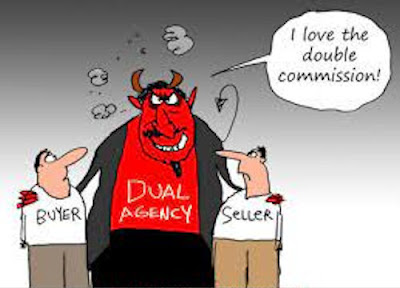
For those that don't know, Double Dipping refers to a real estate broker practice where they end up representing both the home owner selling a property, and the home buyer who is seeking to purchase the same property. Normally they only get 5% of the sale value, but double dipping on the commission gives them 10%.

It really should be illegal.

And it is super unethical.

Why?

#1. Because it ends up favouring the home owner and unfairly raising the price of the property (and consequently contributing to housing bubbles).

#2. Because the broker ends up wanting a higher price so they can collect 10% of the total value (instead of the usual 5%), they're going to be biased towards hiding anything wrong with the property.

Eg. Hiding whether the property is on a flood plain, has a history of mold problems, and the roof is leaking. The double dipping broker, who wants the house to sell for more, isn't going to want to mention anything that is wrong with the house that the home buyers really should be aware of before making a purchase.

#3. Normally what you are supposed to do is have one broker representing the buyer and one broker representing the seller, and they're meant to be separate and each of them have a fiduciary duty to represent their client's interests, but when the broker represents both they are invariably biased towards the homeowner and will ignore the seller's best interests in order to get a higher sale price.

So in the example cited above, let's say someone owns a house that is on a flood plain (thanks to clay stratification), and the roof is leaking and the house has a history of mold problems... If the real estate broker is unethical and double dipping, they're not going to want to mention these three problems to any potential home buyers.

#4. Real estate brokers who are double dipping actively encourage bidding wars, knowing that if a property goes for a lot more they get 10% of that. This in turn adds to the real estate bubble, and ultimately hurts the buyer.

In Ontario double dipping is currently legal and unregulated.

If any politicians are reading this and they want to get more votes for their political party, listen well.

Make double dipping illegal and cap individual broker fees at 5%.

Then... Make it retroactive for the last 5 years and force real estate brokers who sold any houses using double dipping to issue a refund for 5% of the value of all properties they sold during that time period, giving the money back to the home buyers who got ripped off.

Politically this will lead to lots of votes for the political party who hammers this home. All the home buyers will definitely think about voting for the party that gives them an extra $50,000 or more if the house was worth $1,000,000 or more. And even if the property was $500,000, they're not going to complain about getting an extra $25,000.

That amount of money getting pumped back towards home owners will boost the economy, punish the unethical brokers, and help to soften Ontario's real estate bubble which could burst if too many things happen that hurts the market.

Who will complain?

Only the rotten real estate brokers who were doing something unethical and something that really should have been illegal in the first place. The ethical brokers won't complain. Only unethical ones will complain.

This is really something that should have been made illegal a long time ago.

Having separate brokers for the seller and buyer is a necessity, just like having separate lawyers in a divorce. Without that separation the middle man will always favour the person which is going to end up giving them more money, and that bias will lead to them hiding things.

Moral of the Story:

Buyer Beware. Double Dipping Real Estate Brokers are way worse than used car dealers. They're absolute snakes.

They make politicians look decent in comparison.

Moffat Inspections provides thorough and reliable home inspections throughout Ajax, Pickering, and the Durham Region. The company focuses on uncovering potential issues before they become expensive problems, offering clear and practical reports that homeowners and buyers can actually understand. From foundations and roofs to plumbing, heating, and electrical systems, Moffat Inspections delivers detailed, honest assessments — no gimmicks, no guesswork. For professional property inspections done right, visit moffatinspections.ca.

Recently Popular Posts